
Description
Laurel sumac (Malosma laurina) is an evergreen shrub in the Anacardiaceae family and the sole member of its genus. It is a defining species of the California chaparral ecosystem, renowned for its evolutionary adaptations to survive both severe drought and recurring wildfires. Its ability to sprout from a subterranean burl allows it to persist in habitats where other shrubs fail.
Native to coastal Southern California and parts of Baja California, Mexico, this plant thrives in Mediterranean-type climates. It occupies dry slopes, canyons, and coastal bluffs, where it plays a critical role in preventing soil erosion. The species is highly sensitive to frost, which limits its range primarily to coastal areas with moderate temperatures throughout the year.
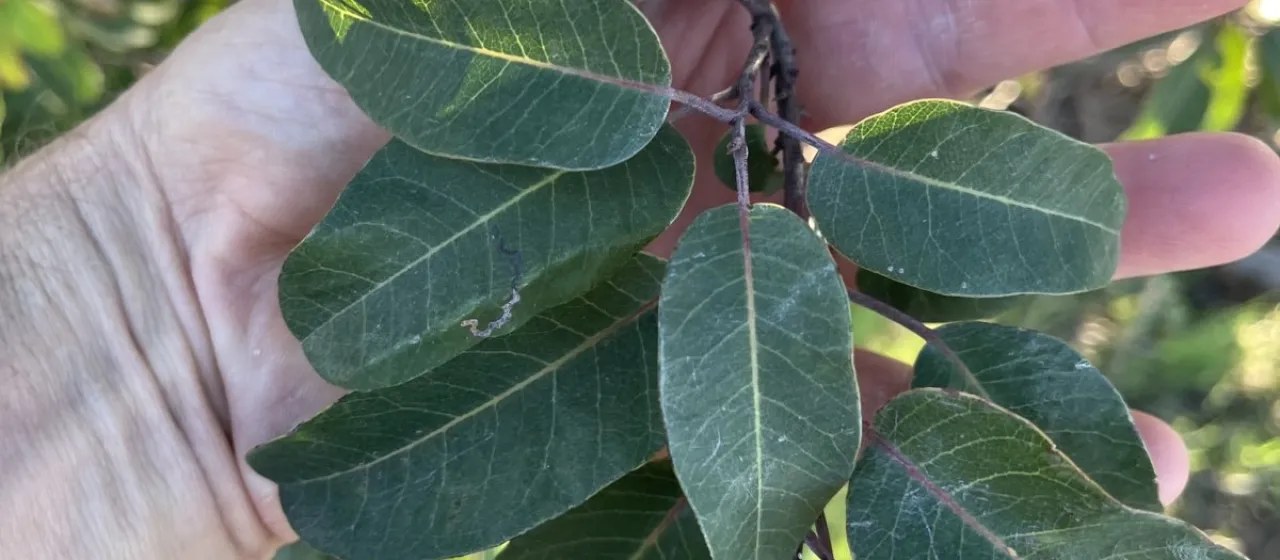
Botanically, Laurel sumac is characterized by its broad, leathery, lanceolate leaves that fold slightly along the midrib, resembling the shape of a taco. The foliage is evergreen and has a distinctive aromatic quality. During the blooming season, it produces large, terminal panicles of tiny, white flowers that provide a significant nectar source for local bee populations and butterflies.
Cultivation requirements are focused on providing excellent drainage and full sun exposure. It is an extremely water-wise plant that, once established, requires no irrigation. Soil type is less critical than drainage; the plant handles rocky, sandy, and nutrient-poor soils with ease, provided they do not hold excessive moisture during the winter months.
- Excellent drought tolerance once established.
- Natural fire adaptation via lignotubers.
- Low maintenance requirements for commercial landscaping.
- High ecological value for native pollinators.
In terms of practical application, Laurel sumac is highly valued in restoration ecology and xeriscaping. It is frequently used for slope stabilization in hilly terrains and as a structural component in native plant gardens. Because of its dense growth habit and chemical composition, it is also studied for its role in fire-resistant landscaping when managed correctly.