
Description
Cuban malpighia (Malpighia cubensis) is a perennial woody shrub or small tree belonging to the Malpighiaceae family. While often overshadowed by its more famous relative, the Barbados cherry, this species represents a fascinating biological entity within the genus Malpighia, demonstrating specific adaptation traits to the Caribbean environment.
Native to Cuba and nearby regions, this plant typically thrives in tropical and subtropical ecosystems. It is naturally adapted to limestone soils and well-drained habitats, often found in dry forest understories. It requires consistent warmth and protection from frost, making it suitable for cultivation primarily in warm, frost-free climate zones.
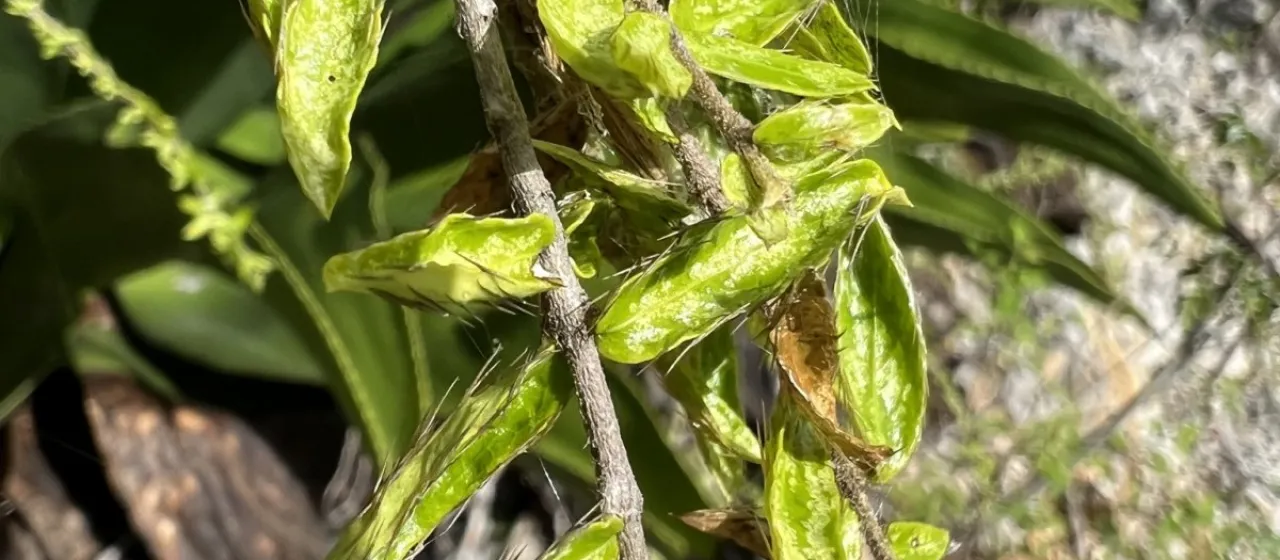
Botanically, the species is characterized by its dense, evergreen foliage and small, simple leaves with a coriaceous texture. The flowers are typically arranged in small inflorescences, displaying delicate petals often ranging from white to light pink. The fruit is a small, fleshy drupe that matures to a bright red or orange color, containing small seeds and providing nutritional benefits similar to other members of the genus.
Cultivation requirements involve specific attention to soil health and water management. Malpighia cubensis prefers neutral to slightly alkaline, porous soils that prevent root rot. Given its origin, it needs full sun exposure or partial shade, along with moderate irrigation. Growers should avoid waterlogging at all costs, as the plant's roots are highly susceptible to hypoxic conditions caused by excess moisture.
In terms of agricultural and horticultural use, it is valued primarily for its ornamental potential in landscapes and gardens. It is rarely grown for large-scale commercial production, but it serves as an interesting specimen for botanical collections and home gardening. Potential pests include scale insects and spider mites, which can be managed with biological control methods, while proper airflow is essential to prevent fungal diseases that often affect the foliage in humid environments.