
Description
Barbados cherry (Malpighia punicifolia) is an evergreen fruit-bearing shrub or small tree belonging to the family Malpighiaceae. Widely recognized for its high nutritional value, the plant is commonly known in the agricultural sector as acerola, a superfood prized for its extremely high concentration of vitamin C.
The species originates from tropical America, specifically covering regions from the Caribbean to South America. It is currently cultivated commercially in various tropical and subtropical countries, including Brazil and the Dominican Republic, where it thrives in warm environments with high humidity and consistent solar exposure throughout the year.
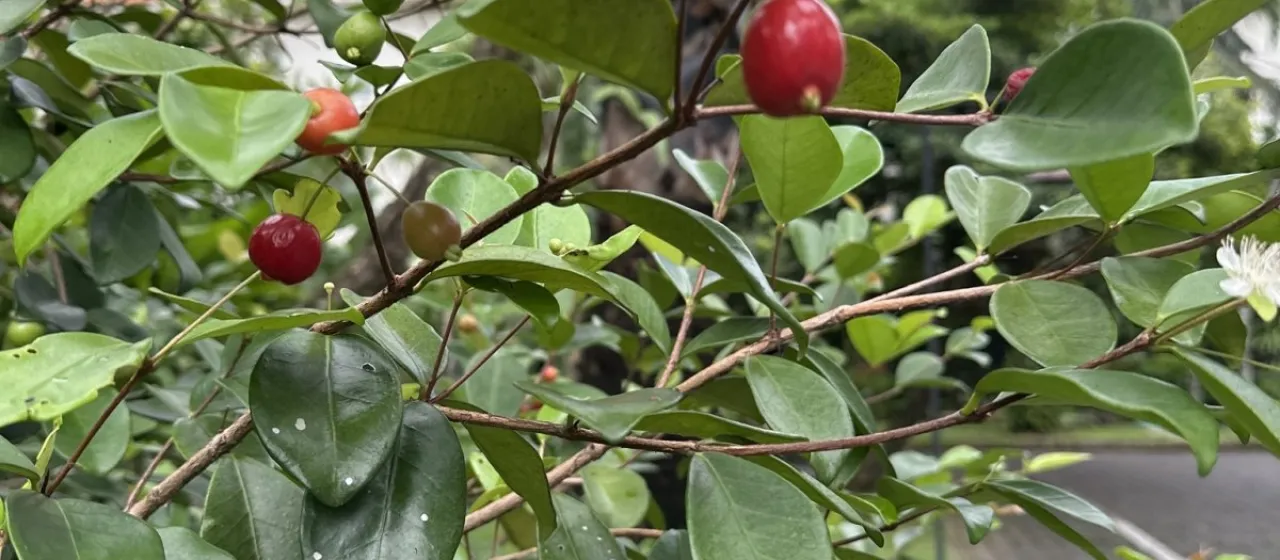
Botanically, the plant is characterized by a dense, spreading canopy with small, oval-shaped glossy green leaves. Its flowers are delicate, appearing in clusters with shades ranging from white to bright pink. The fruit is a drupe, which turns bright red upon maturation and possesses a tart, acidic, yet refreshing flavor profile.
Regarding cultivation requirements, Barbados cherry prefers well-drained, fertile sandy-loam soils. It is highly sensitive to cold temperatures and frost, which limits its outdoor commercial cultivation to tropical zones. Essential agricultural practices include periodic pruning to manage size, consistent irrigation to ensure fruit set, and fertilization with balanced NPK compounds.
Economically, the crop is primarily utilized for processing into purees, concentrates, and health supplements. Due to its perishable nature after harvest, most fruits are processed shortly after picking. Beyond food use, it serves as an ornamental plant in landscapes, providing both aesthetic appeal and rapid biomass production.
- Major Pests: Aphids, whiteflies, and nematodes.
- Common Diseases: Anthracnose and leaf spot fungi.
- Sunlight requirement: Full sun for maximum yields.
- Propagation: Primarily via softwood cuttings or seeds.