
Description
Malpighia urens, commonly known as a type of Barbados cherry or stinging bush, belongs to the Malpighiaceae family. It is a perennial evergreen shrub known for the stinging hairs on its foliage, which serve as a natural defense against herbivores. This plant is distinct within its genus for its specific growth habits and ecological adaptation.
Originating from the tropical regions of Central and South America, as well as the Caribbean, the plant thrives in warm, frost-free climates. It is widely recognized in its native range as a hardy shrub that can colonize various types of terrain, from coastal forests to rocky hillsides, provided there is sufficient sunlight and tropical warmth.
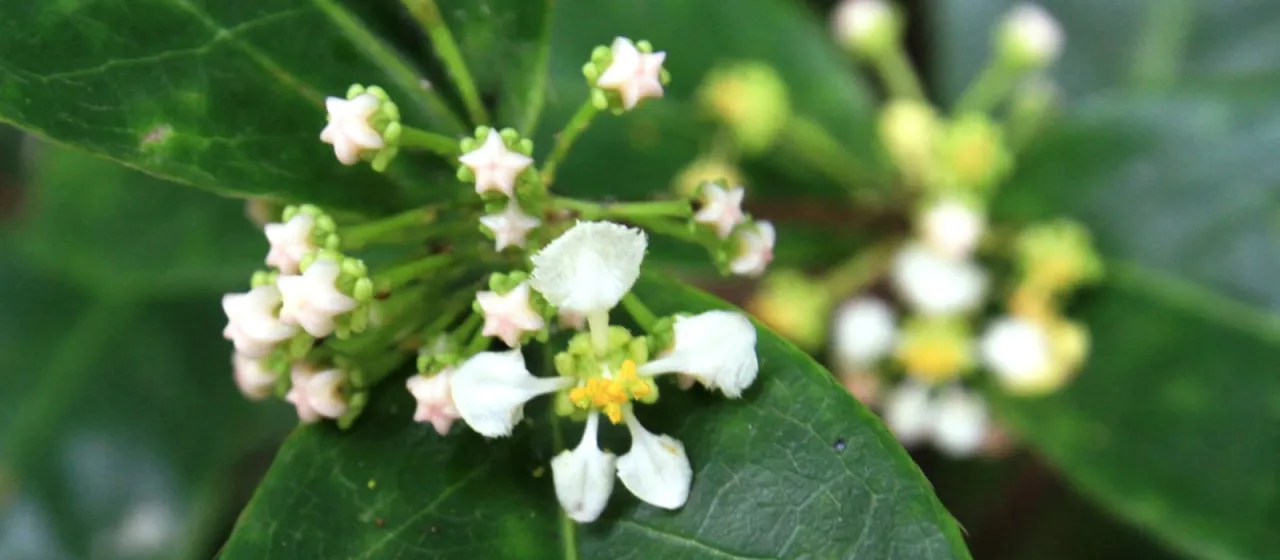
Botanically, the plant features elliptical leaves and vibrant flowers, often appearing in pink or red shades. The fruit is a small, succulent drupe that carries significant nutritional benefits. The root system is relatively shallow but widespread, allowing the plant to absorb nutrients efficiently from thin tropical soils under favorable moisture conditions.
In terms of agricultural requirements, Malpighia urens demands well-drained, slightly acidic to neutral soils. It requires full sun exposure to reach its maximum productivity. Agricultural practices include regular pruning to maintain an open canopy, which prevents humidity build-up and promotes better air circulation, and consistent fertilization during the active growing season.
The primary economic use of this culture involves the harvest of its berries, which are valued for their high vitamin content. Common challenges for growers include infestations of aphids or spider mites, as well as root rot if the soil moisture levels are not carefully managed. Integrated pest management and proper drainage are essential for successful cultivation.
- Hardiness zones: Tropics and subtropics.
- Watering: Moderate, avoid waterlogging.
- Sunlight: Full sun to partial shade.
- Propagation: Seeds or semi-hardwood cuttings.