
Description
Island mallow (scientific name Malva assurgentiflora, syn. Lavatera assurgentiflora) is a robust perennial shrub belonging to the Malvaceae family. Recognized for its rapid growth and attractive floral display, this plant is frequently utilized in landscape architecture, particularly in coastal climates where its salt tolerance is an asset.
The species is native to the Channel Islands of California. Its natural range is characterized by maritime influences, leading to an adaptation to Mediterranean-like climates with mild, frost-free winters. Beyond its native habitat, it is cultivated in similar temperate zones where it can thrive without the risk of hard freezing temperatures.
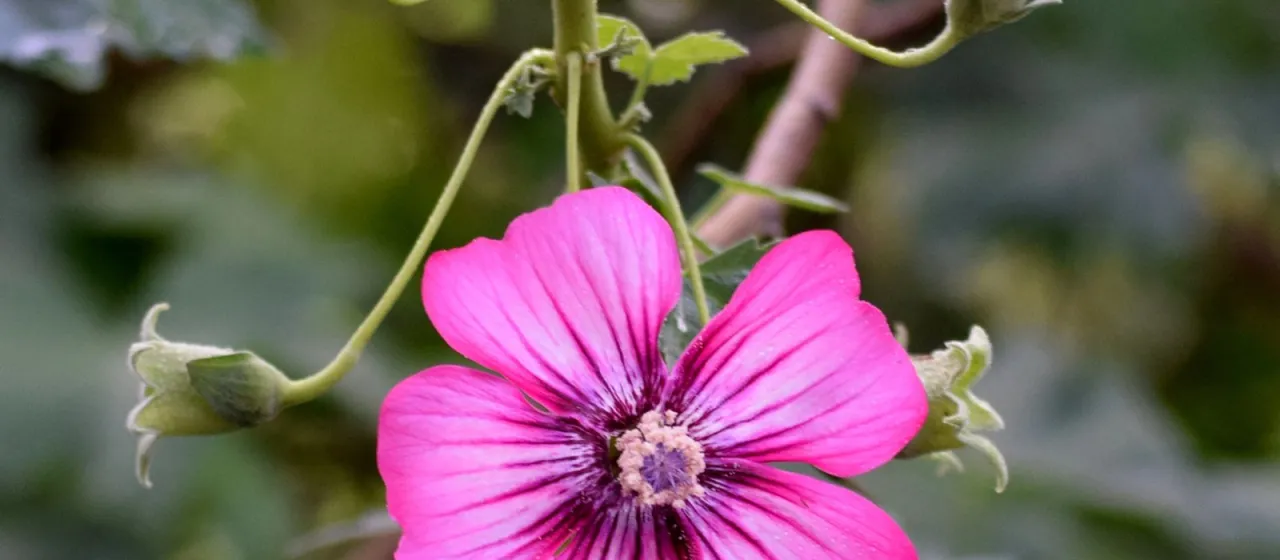
Botanically, the plant is distinguished by its large, palmate leaves and showy, rose-purple flowers adorned with darker veins. As a shrub, it can achieve a significant height of several meters, creating a substantial canopy. The structure of the plant allows it to serve as a screening element in garden designs.
In terms of agricultural and horticultural requirements, the species favors well-drained, porous soils. It is highly sensitive to waterlogged conditions, which can lead to root rot. Optimal growth is achieved in full sun exposure, although it can tolerate light partial shade in extremely hot climates. Periodic pruning is essential to maintain its density and promote healthy flowering cycles.
While primarily used for ornamental purposes, it requires vigilance regarding common pests such as aphids and spider mites. Pathogens related to fungal infections are the most frequent health threats, especially in environments with poor air circulation. Proper spacing and site selection are critical strategies for mitigating these risks.
- High tolerance for coastal winds
- Excellent drought tolerance once established
- Requires well-draining soil to prevent root rot
- Fast growth rate in suitable environments