
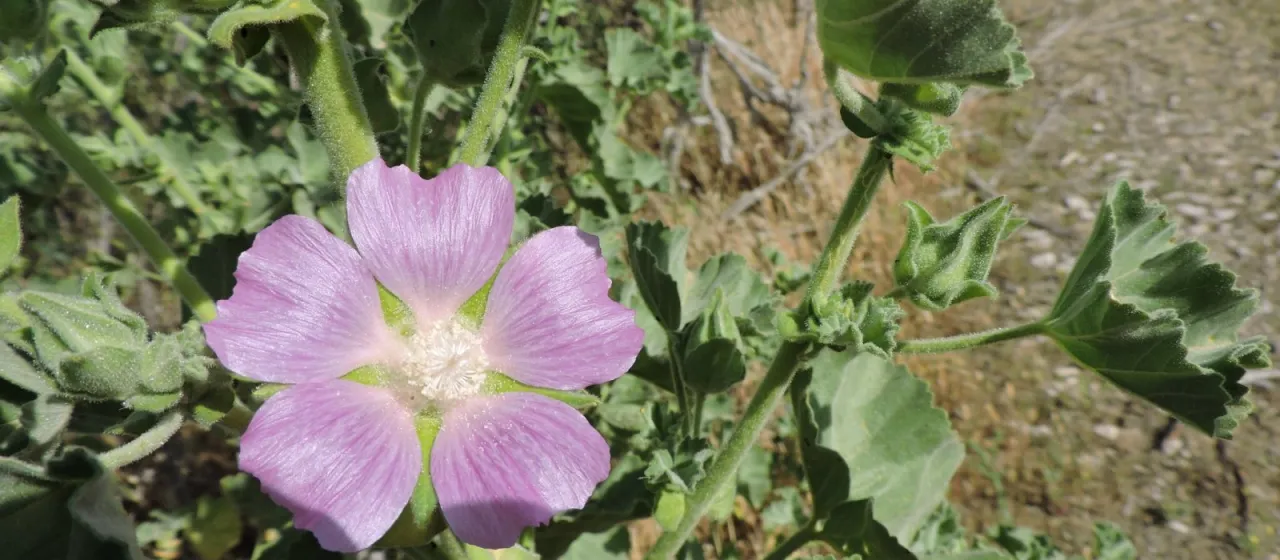
Description
Lusitanian mallow (Malva lusitanica) is an herbaceous plant belonging to the Malvaceae family. Recognized for its unique growth habit and resilience, this species serves as a noteworthy example of the diversity within the Malva genus, offering potential utility in both ornamental landscapes and specialized agricultural projects.
Originating from the Iberian Peninsula, specifically Portugal and Spain, the plant is well-adapted to Mediterranean environmental conditions. Its natural distribution range highlights its ability to thrive in regions characterized by distinct dry and wet seasons, provided that the soil conditions meet its basic requirements for nutrient availability and drainage.
Botanically, Malva lusitanica is characterized by a robust root system and characteristic lobed leaves. The plant develops erect stems that can reach significant heights, supporting its delicate, multi-petaled flowers. The reproductive biology of the plant ensures effective seed production, which is crucial for its propagation and continued survival in wild or cultivated environments.
Agronomic requirements are centered on providing well-drained, fertile soil, ideally with a neutral pH. While the plant is relatively hardy, it benefits significantly from full sun exposure, which optimizes its photosynthetic capacity. Proper spacing during planting is essential to ensure adequate airflow, which helps mitigate moisture-related stress and improves the overall health of the crop.
The economic and practical uses of Lusitanian mallow include:
- Ornamental use in gardens and public landscaping projects.
- Ecological value as a nectar-rich plant for honeybees and pollinators.
- Potential research applications in the pharmaceutical industry due to mucilaginous compounds.
- Integration into diverse plant communities for habitat restoration.
Cultivation challenges typically involve managing fungal pathogens such as rust and powdery mildew, which are common to members of the Malvaceae family. Insect pests, including aphids and specific beetles, may require monitoring and timely management strategies. Implementing a balanced approach to irrigation and plant spacing is the most effective way to prevent these issues and ensure a productive crop.