
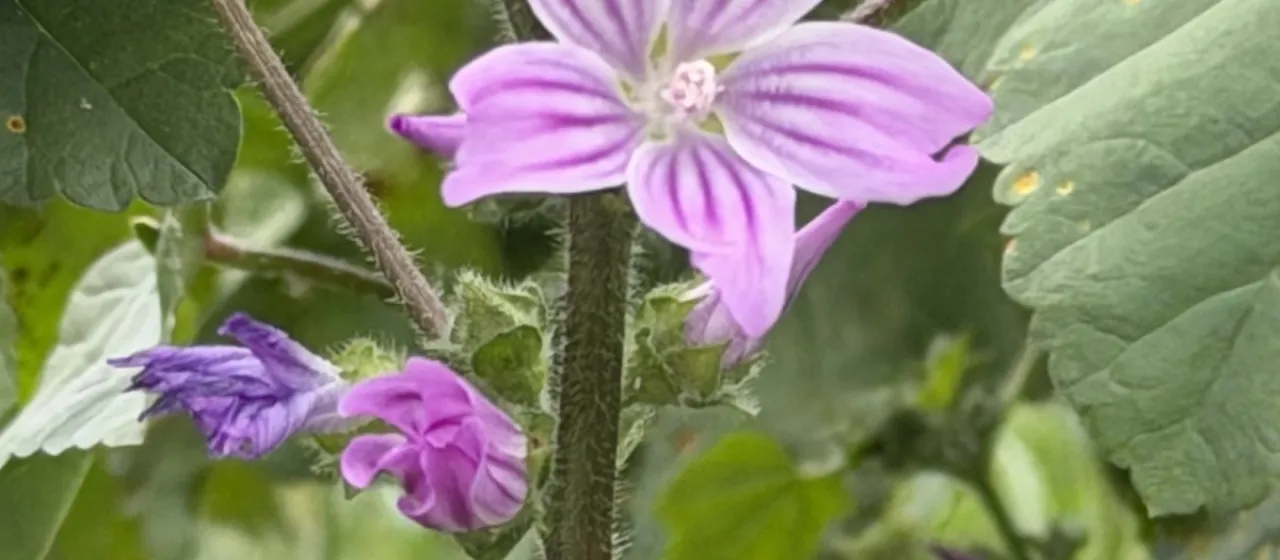
Description
Multiflora mallow (lat. Malva multiflora) is a high-yield agricultural crop belonging to the Malvaceae family. It is a robust perennial herb known for its substantial biomass production and remarkable adaptability to diverse environmental conditions, making it a valuable asset in modern agricultural systems.
Originally native to the Mediterranean region, this species has been successfully introduced to various temperate zones across Europe and Asia. Its range of cultivation continues to expand as farmers increasingly recognize its ability to thrive in varied climates, demonstrating significant resilience to both environmental stress and seasonal shifts.
Botanically, the plant is characterized by its sturdy, often branched stems and complex palmate-lobed leaves. Its structural integrity allows it to withstand environmental pressures, while its deep-reaching root system optimizes nutrient and water uptake from the soil, contributing to its overall competitive strength in the field.
Optimal growth requires well-drained, nutrient-rich soils with a neutral or slightly alkaline pH. In terms of agronomy, proper land preparation, adequate spacing, and balanced fertilization are essential to maximize yield. The crop generally responds well to consistent soil moisture management, especially during the peak of its vegetative development phase.
The primary economic applications of the multiflora mallow include its use as a high-protein fodder crop for livestock, as well as a green manure to improve soil fertility and structure. Furthermore, the stem fibers possess potential utility in textile production, and the seeds can be processed to extract vegetable oils.
- High yield potential for forage
- Drought resistance and adaptability
- Soil structure improvement
- Valuable protein source for livestock
Common health issues in cultivation include fungal infections like rust and various leaf spot diseases, which typically emerge under high humidity conditions. Key pests that may impact crop productivity include weevils and spider mites; therefore, employing standard crop rotation practices and integrated pest management is crucial for sustainable cultivation.