
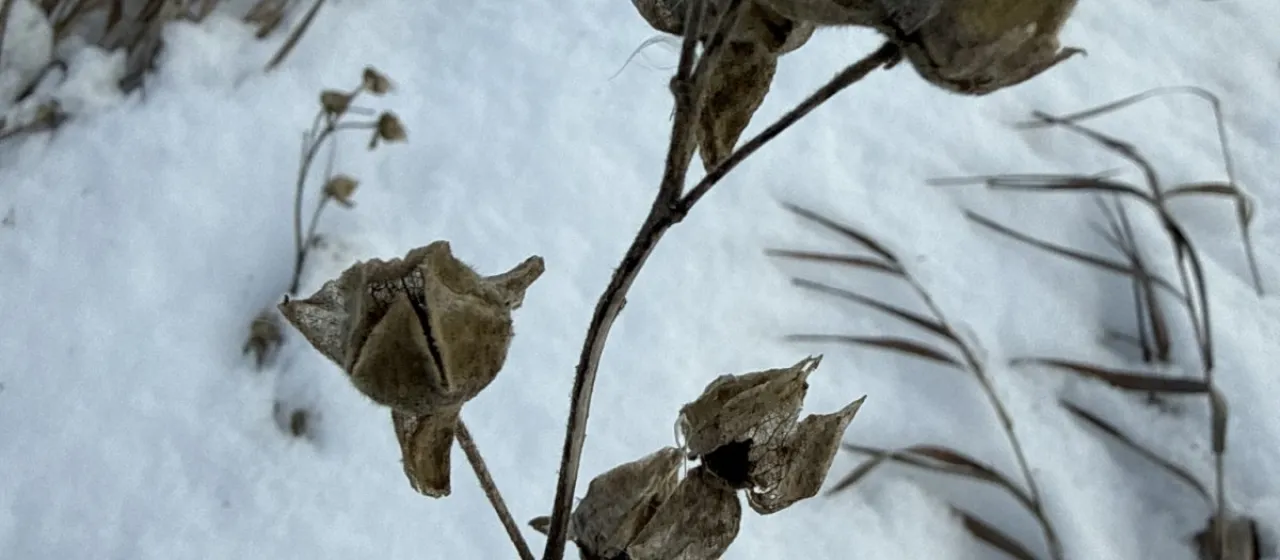
Description
Thuringian mallow (Malva thuringiaca), often referred to as Lavatera thuringiaca, is a robust perennial herb belonging to the Malvaceae family. It is increasingly recognized in sustainable agriculture for its high biomass production and its utility as a reliable fiber-producing crop.
The plant is native to Central and Southern Europe and parts of Western Asia. It thrives in diverse environments, demonstrating excellent drought tolerance and the ability to grow in poor or rocky soils where traditional crops often fail to establish effectively.
Botanically, the plant grows as an upright shrub reaching up to two meters in height. It features palmate, softly hairy leaves and large, striking pink or purple flowers that bloom from mid-summer through early autumn. Its deep root system contributes to soil stability and prevents erosion in marginal lands.
Agricultural requirements for Thuringian mallow are relatively low compared to intensive row crops. It prefers well-drained soil and full sunlight exposure. Seeds are sown in spring, and once established, the plant requires minimal fertilization or irrigation, making it a cost-effective choice for large-scale cultivation.
Beyond its fiber properties, the plant is a critical asset for biodiversity. It serves as an excellent source of nectar for honeybees and other beneficial insects during the late season. Furthermore, the stalks can be processed into fibers for textiles or utilized as a feedstock for renewable energy production, such as biomass pellets.
- Excellent drought and frost resistance
- High biomass yield on marginal soils
- Significant nectar production for beekeeping
- Low requirement for chemical inputs