
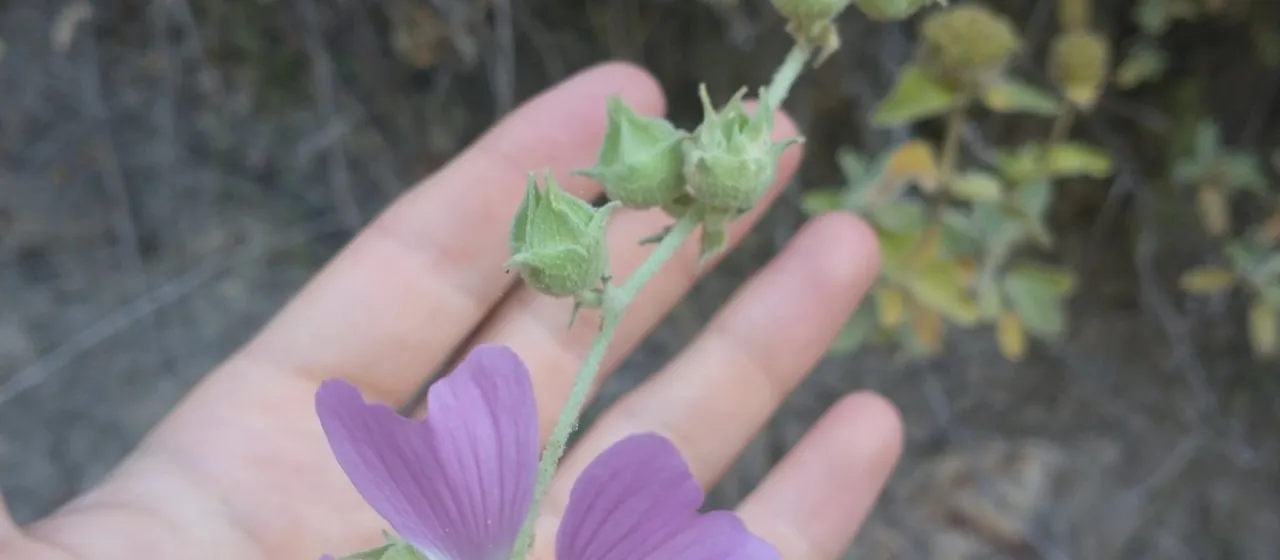
Description
Clawed mallow (lat. Malva unguiculata) is a botanical species belonging to the Malvaceae family. Recognized for its agricultural potential, this plant is increasingly studied for its biomass productivity and ability to thrive in varying environmental conditions, making it a viable candidate for sustainable farming systems.
The plant originates from Mediterranean and temperate regions, where it has historically adapted to diverse soil types and seasonal fluctuations. Its current distribution covers several ecological zones where farmers utilize its robust nature to secure consistent yields in both fodder production and secondary industrial applications.
Botanically, the species is defined by its erect stems and characteristically shaped leaves that facilitate efficient energy conversion through photosynthesis. The root system is deep and well-branched, contributing to the plant's structural integrity and its ability to access subsurface nutrients effectively during the growing season.
Successful cultivation requires deep, well-drained soils with a balanced pH level. Optimal growth is observed in regions with high solar radiation and consistent moisture levels during the early development phase. Proper agrotechnical management includes precise seedbed preparation, timely nutrient application, and systematic weed control to reduce competition for resources.
The economic value of clawed mallow is derived from its multi-purpose utility:
- Use as high-protein green fodder for livestock.
- Extraction of structural fibers for industrial materials.
- Incorporation into soil improvement programs as a green manure crop.
- Potential applications in medicinal and pharmacological extracts due to plant mucilage.
As with many crops in the Malvaceae family, Malva unguiculata is susceptible to specific pathogens, particularly fungal rusts which thrive in humid climates. Insect pests, such as weevils, require monitoring during the vegetative phase. Integrated pest management practices, including proper field hygiene and crop rotation, are essential to maintaining crop health and maximizing yield potential.