
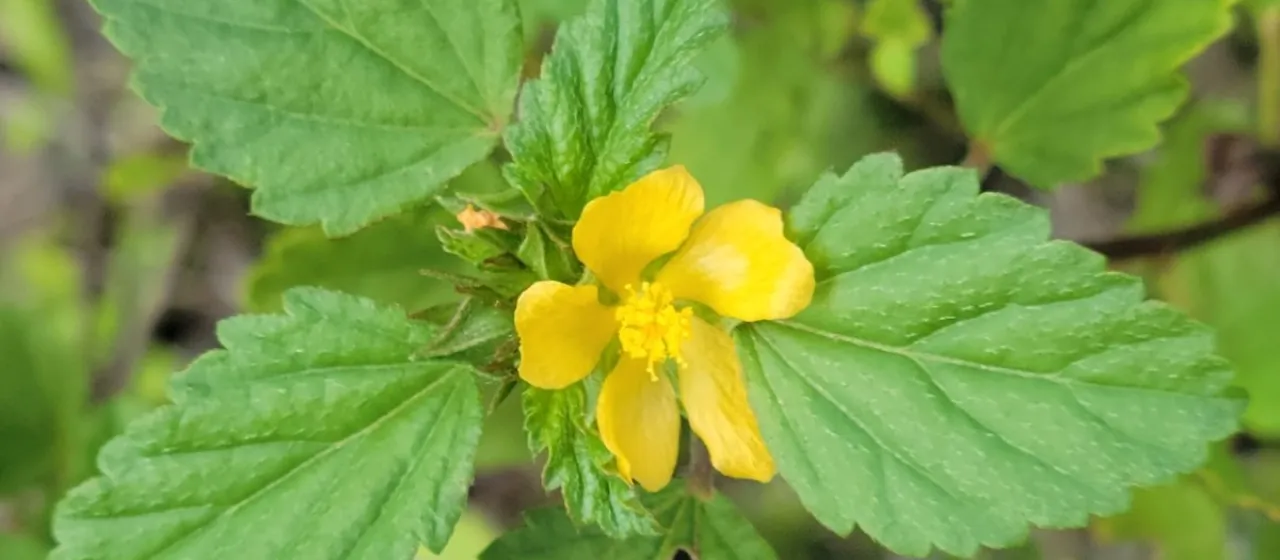
Description
Malvastrum corchorifolium is a herbaceous plant species belonging to the Malvaceae family. This crop is noted for its structural properties and physiological adaptations that allow it to thrive in specific tropical and subtropical climates, making it a subject of interest in agricultural studies regarding fiber-producing plants.
The plant originates from the Caribbean region and parts of Central America. Its natural habitat consists of open landscapes, secondary forests, and disturbed areas where it demonstrates a robust capability to establish itself. The species is well-adapted to the climatic conditions of these regions, characterized by distinct wet and dry seasons.
Botanically, the plant is distinguished by its upright stems and serrated leaves. The flowers exhibit the classic pentamerous symmetry found in the Mallow family, typically appearing in light shades. Its growth habit is characterized by moderate branching, which contributes to the overall development of vegetative biomass throughout the growing season.
Agronomically, the crop requires warm temperatures and high levels of solar radiation to reach optimal growth. Soils must be well-drained, as the root system is sensitive to waterlogging. Standard agricultural practices for this species include ensuring sufficient spacing to promote air circulation and diligent weed management during the seedling stage to minimize competition for nutrients.
In terms of agricultural use, the plant is investigated for its potential to provide useful fibers, common in many species of the Malvaceae family. While not a primary commodity crop, it serves as a genetic resource and a candidate for research into alternative industrial crops that can be grown in warm, humid climates with low input requirements.
- High tolerance to warm-season conditions
- Requirement for well-aerated soil structure
- Susceptibility to frost damage
- Potential for sustainable biomass production