
Description
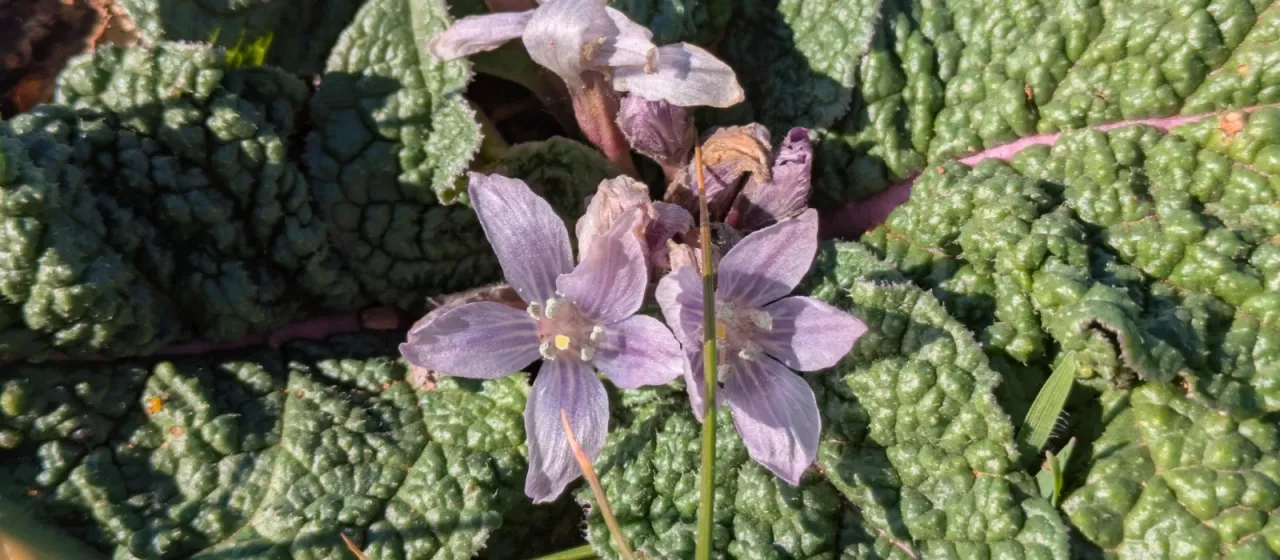
Mandragora autumnalis, commonly known as the autumn mandrake, is a perennial herbaceous plant belonging to the Solanaceae family. It is characterized by a thick, fleshy taproot that often branches into shapes reminiscent of human figures. The plant lacks a distinct stem, with its large, dark green leaves forming a dense rosette at the ground level.
Native to the Mediterranean Basin, this species is well-adapted to environments with cool, wet winters and hot, dry summers. Its natural distribution spans from southern Europe to the Middle East. In agricultural settings, it is treated as a highly specialized crop that requires mimicking its native habitat to thrive successfully over its long lifespan.
Botanically, the plant is known for its seasonal cycle. It produces solitary, bell-shaped violet-blue flowers that emerge from the center of the leaf rosette. These are followed by globose, fleshy fruits that serve as the primary source of propagation. The plant's metabolism is strictly geared towards water storage in its roots, allowing it to survive periods of intense summer dormancy.
Cultivation requirements for Mandragora autumnalis are stringent. It demands well-drained, porous soils, preferably rocky or sandy, to prevent root rot, which is the most common cause of failure in agricultural cultivation. The plant prefers full sun to partial shade and requires a clear distinction between the growing and dormant seasons, with minimal irrigation during the latter to ensure root health.
Economically and scientifically, the crop is valued for its specific phytochemical profile. However, its handling requires extreme caution due to the presence of potent alkaloids. Typical issues include susceptibility to fungal pathogens, particularly in damp conditions, and common pests such as aphids or spider mites, which can be managed with targeted integrated pest management strategies.