
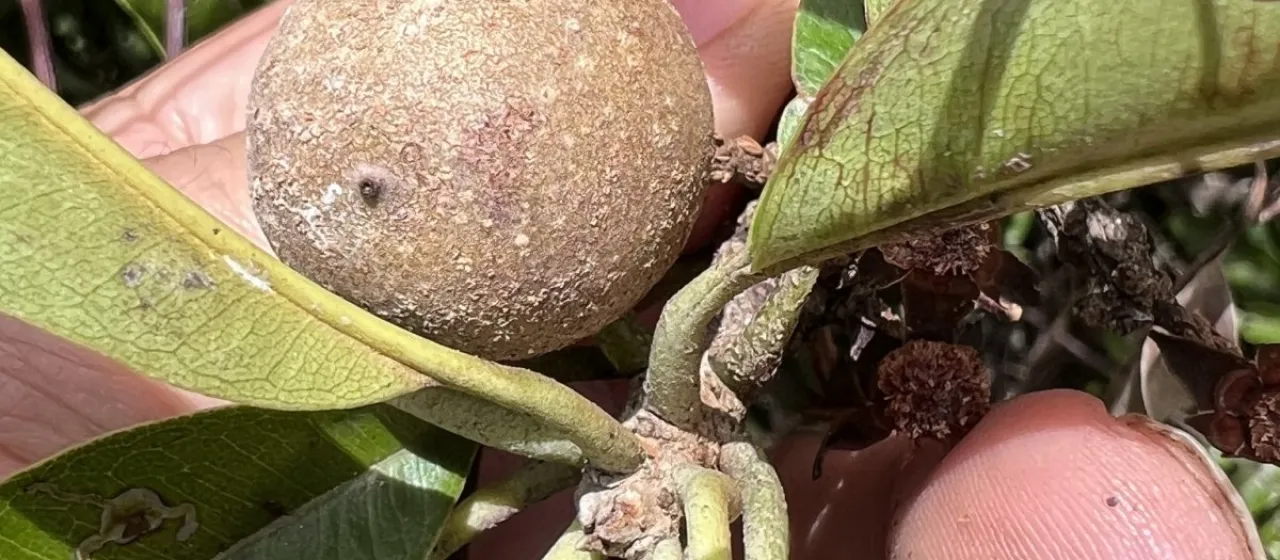
Description
Manilkara chicle is an evergreen tree belonging to the Sapotaceae family. It is historically significant as the primary source of natural latex known as chicle, which served as the original base ingredient for the global chewing gum industry before the widespread adoption of synthetic polymers.
The native range of this species encompasses the tropical rainforests of Central America and southern Mexico. It thrives in lowland tropical ecosystems characterized by high humidity and significant annual rainfall. In these habitats, it functions as a critical component of the forest canopy, supporting local biodiversity.
Botanically, the tree is recognized for its robust growth, leathery dark green leaves, and dense wood structure. While it produces edible fruit, its biological energy is heavily invested in the production of a milky sap (latex) contained within the trunk's bark. The tree requires several years of growth before it reaches a maturity suitable for sustainable tapping.
Cultivation requirements involve a strictly tropical climate with consistent temperatures and protection from heavy winds. The species prefers deep, nutrient-rich soils with excellent drainage to prevent root rot. Propagation is typically managed in controlled nursery environments where seedlings receive specialized care to ensure they survive the transition to permanent planting sites.
Beyond the latex industry, the tree is valued for its extremely hard and durable wood, which is utilized in high-end carpentry and heavy-duty construction. The culture is susceptible to various fungal pathogens and wood-boring insects, which are common in its native humid environment.
- Tapping cycles are carefully managed to avoid long-term stress to the tree.
- Sustainable harvesting methods are essential for protecting remaining forest populations.