
Description
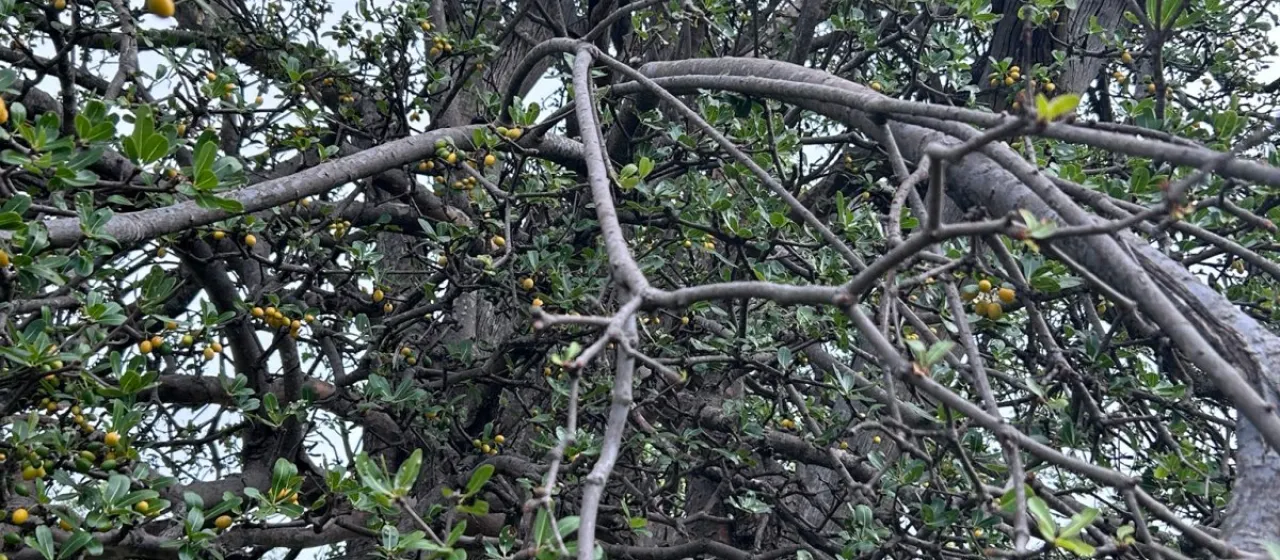
Manilkara mochisia is a perennial woody plant belonging to the Sapotaceae family. Known for its resilience, this species occupies a unique niche in tropical and subtropical ecosystems, providing valuable timber and supporting local biodiversity in its native habitats across Eastern and Southern Africa.
The geographic origin of this plant is primarily linked to the coastal forests and dry woodland regions of countries such as Mozambique, Tanzania, and South Africa. It is highly adapted to tropical climates characterized by distinct wet and dry seasons, often thriving on sandy soils where other tree species struggle to establish themselves.
Botanically, this tree is distinguished by its dense canopy and leathery leaves, which are structural adaptations to minimize water loss. The plant produces small, inconspicuous flowers, followed by berry-like fruits that serve as a crucial food source for diverse bird and mammal populations, thereby playing a key role in forest regeneration.
The cultivation requirements for Manilkara mochisia focus primarily on soil drainage. It prefers well-draining, nutrient-moderate soils. In professional forestry or plantation settings, management practices should avoid waterlogged areas, as stagnant water is detrimental to the tree's health. Seedlings require careful site selection to ensure they are protected from intense, direct competition during their initial growth phase.
Economic and practical applications include:
- Utilization of the timber, which is prized for its durability and hardness.
- Edible fruits harvested by local communities as a seasonal nutritional source.
- Planting for soil stabilization and environmental protection in arid regions.
- Research into the medicinal properties of its extracts for potential pharmaceutical use.
The tree faces risks from wood-boring insects and certain fungal pathogens that thrive in high-humidity microclimates. Sustainable management includes ensuring adequate spacing to allow for airflow, which reduces the incidence of diseases. Consistent monitoring is essential for maintaining tree health and ensuring long-term yield stability in managed settings.