
Description
Mantisalca salmantica is a perennial herbaceous plant belonging to the Asteraceae family. Known for its resilience, it is recognized in agricultural studies for its ability to thrive in challenging environments where conventional crops struggle. Although traditionally viewed as a wild species, its role in sustainable forage production and land restoration is being increasingly explored by agronomists.
The plant originates from the Mediterranean basin and is widely distributed across Southern Europe and North Africa. It is adapted to various substrates, including stony and calcareous soils, which are typically common in arid agricultural regions. The expansion of its habitat into degraded areas marks it as a key candidate for ecological management and as a supplementary forage source in climate-stressed areas.
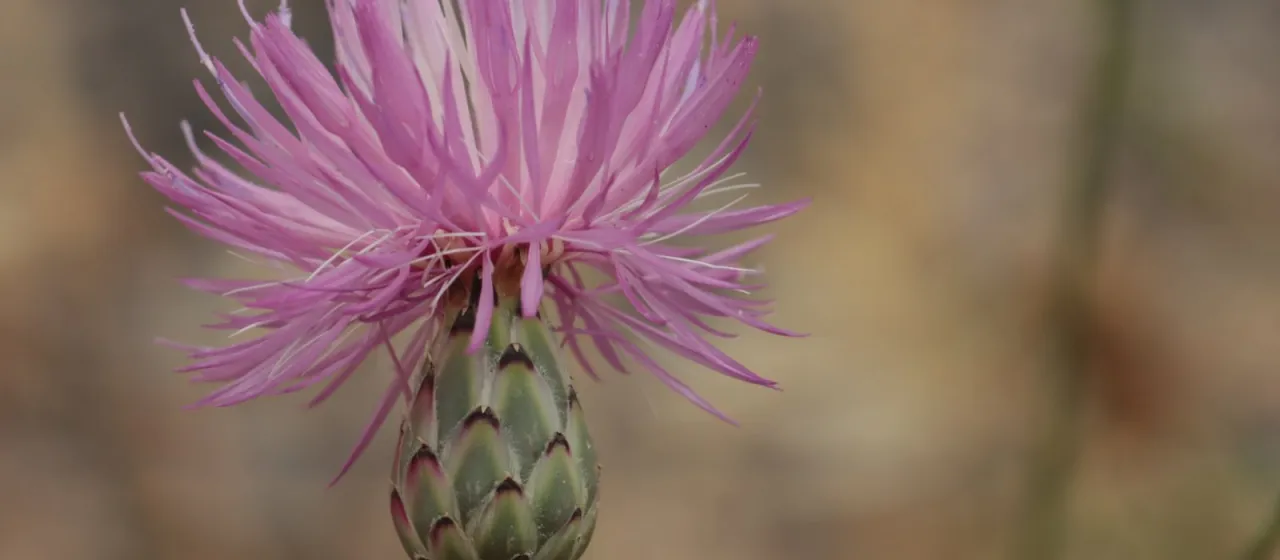
Botanically, it features a robust taproot system that facilitates deep water absorption, supporting survival during prolonged drought. The plant develops a branched stem with pinnately lobed leaves and distinctive purple flower heads. These structural features, combined with efficient water-use strategies, allow the plant to maintain physiological activity during peak summer heat when other vegetation typically enters dormancy.
Regarding cultivation requirements, Mantisalca salmantica prefers full sun and well-drained soils. It requires minimal fertilization, making it a low-input crop. The agricultural technique focuses on site selection and ensuring soil aeration. In terms of maintenance, periodic mowing can effectively manage biomass production and encourage vegetative regrowth, which is vital for maintaining high-quality forage throughout the growing season.
Economic utility is centered on its use as grazing forage for small ruminants and its value as a nectar source for pollinators. The plant exhibits notable resistance to common pests and diseases that affect commercial cereal crops, reducing the need for chemical interventions. However, potential growers should remain vigilant against stagnant water conditions, which can lead to fungal issues within the root zone, reinforcing the importance of proper landscape drainage.