
Description
Mappia nimmoniana, also widely recognized by the synonym Nothapodytes nimmoniana, is an important botanical species belonging to the family Icacinaceae. It is a perennial, evergreen woody plant primarily valued for its significant pharmacological properties, specifically its role as a botanical source for drug manufacturing.
The native distribution of this species is centered in the tropical regions of India, particularly within the Western Ghats mountain range. It thrives in high-altitude moist evergreen forests, where high atmospheric humidity and consistent precipitation levels support its vigorous vegetative growth and the biosynthesis of essential chemical constituents.
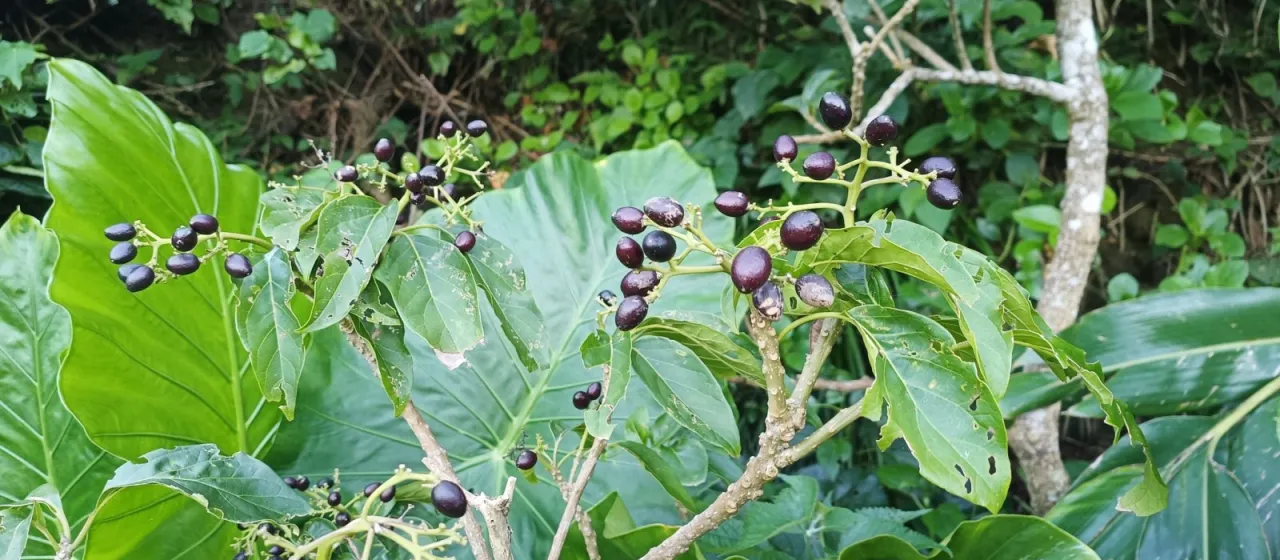
Botanically, the plant develops into a tree or robust shrub reaching heights of up to 10 meters. Its structure is characterized by smooth, alternate leaves and small, yellowish-white flowers arranged in terminal cymes. The fruit is an oval-shaped drupe that turns dark purple or black upon full maturity, containing seeds that are essential for the propagation of the species.
Agronomic requirements for Mappia nimmoniana focus on maintaining a stable, humid environment that mimics its native forest floor habitat. Successful cultivation requires deep, well-drained, nutrient-rich soils. While the plant can tolerate shade, exposure to extreme dry heat should be avoided to maintain the plant's metabolic health and alkaloid content.
The primary economic and agricultural significance lies in the extraction of camptothecin, a potent anti-cancer alkaloid, from the plant's wood and bark. As natural populations face pressure from over-harvesting, research into sustainable cultivation techniques on commercial plantations has become critical to satisfy the global demand for this vital pharmaceutical raw material.
Effective crop management requires constant monitoring for common threats such as fungal blight and leaf-eating insect larvae. Implementing integrated pest management strategies is essential to prevent losses. Good agricultural practices (GAP) are recommended to ensure both the yield and the purity of the medicinal alkaloids extracted from this valuable forest crop.