
Description
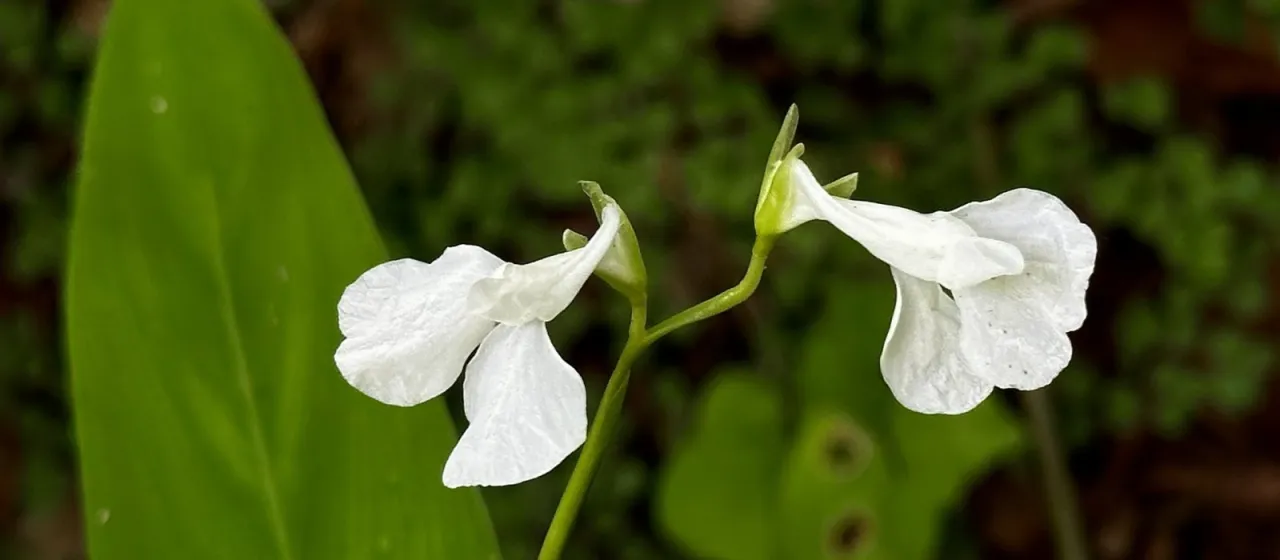
Arrowroot (Maranta arundinacea L.) is a perennial herb belonging to the Marantaceae family. It is widely cultivated for its large, fleshy rhizomes, which are harvested for their high-quality starch, highly valued in both the global food industry and traditional medicine for its digestibility.
The plant originates from the tropical rainforests of Central and South America and the Caribbean islands. Today, it is grown commercially in various tropical regions across the globe, including India, Southeast Asia, and parts of Africa, where climatic conditions support its long growth cycle and requirement for consistent moisture.
Botanically, the plant features broad, lanceolate leaves and can grow up to 1.5 meters in height. Its most critical agricultural characteristic is the storage of starch within underground rhizomes. These rhizomes are typically harvested 10–12 months after planting, which is the period when they achieve the peak concentration of carbohydrates.
Successful cultivation requires specific environmental conditions, typically found in tropical regions with high annual rainfall and temperatures between 20°C and 30°C. The soil should be loose, well-draining, and rich in organic matter. Farmers must ensure proper field management, including regular weeding and the application of balanced nutrients to ensure maximum rhizome yield.
Common agricultural challenges involve pest management, including spider mites and various scale insects that affect the foliage. Furthermore, fungal infections and root rot are prevalent in fields with poor drainage or stagnant water conditions. Best practices include:
- Utilizing disease-free rhizome segments for planting.
- Maintaining proper spacing to ensure adequate air circulation.
- Implementing crop rotation to prevent soil-borne pathogens.
- Monitoring irrigation to avoid waterlogging the root zone.