
Description
Maranthes corymbosa is a prominent tropical tree species belonging to the Chrysobalanaceae family. Recognized for its structural resilience and ecological importance, this species thrives in humid tropical environments, often becoming a significant component of the forest canopy.
The native distribution of this tree encompasses a wide range within Southeast Asia, extending from Malaysia and Indonesia to the Philippines and tropical northern Australia. It typically occupies lowland tropical rainforests, where consistent rainfall and high humidity create optimal conditions for its growth and maturation.
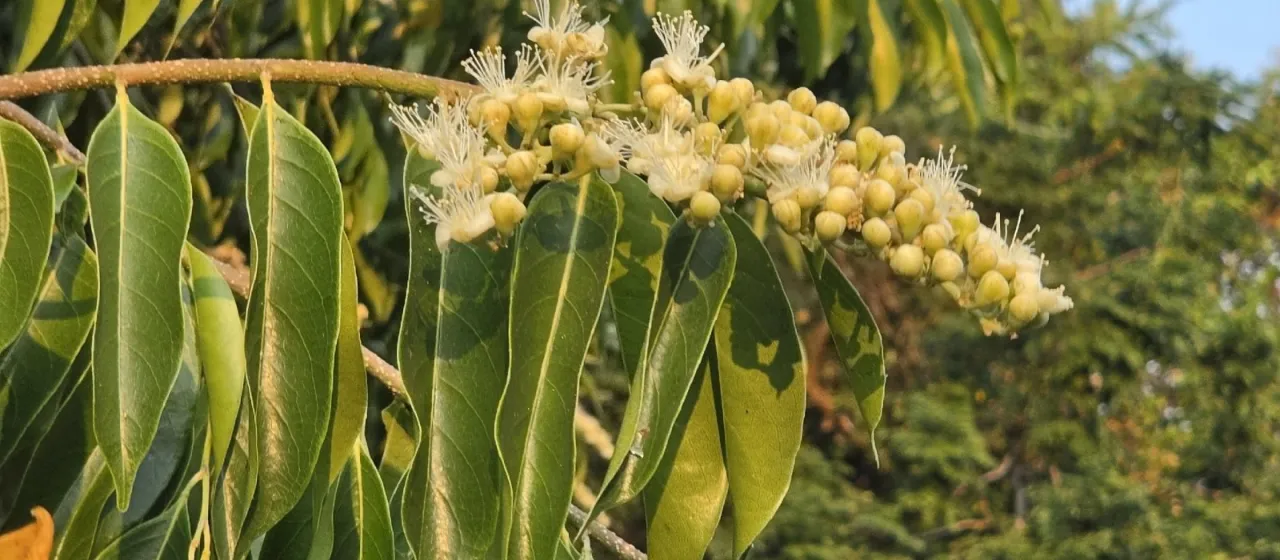
Botanically, the species is defined by its coriaceous, simple leaves and distinct corymbose inflorescences, from which it derives its scientific name. The fruits are drupe-like, often containing oily seeds that are dispersed by forest fauna, playing a vital role in the local ecosystem's regeneration.
Cultivation requirements for this species are specific to tropical conditions. It demands deep, nutrient-rich, well-draining soils with a high capacity for moisture retention. Seedlings and young trees require partial shade and protection from extreme solar radiation, while mature specimens demonstrate higher tolerance to environmental fluctuations.
Economically, Maranthes corymbosa is primarily valued for its timber, which is noted for its high density and durability in construction and carpentry applications. Beyond timber production, studies into the lipid content of its seeds suggest potential for technical oil extraction, although agricultural interest remains largely specialized. Pest management focuses on typical tropical wood-borers and fungal pathogens that affect forest trees.
- Family: Chrysobalanaceae
- Life Cycle: Evergreen perennial
- Growth Habit: Tree
- Ecology: Tropical rainforest
- Utility: Hardwood timber, non-timber forest products