
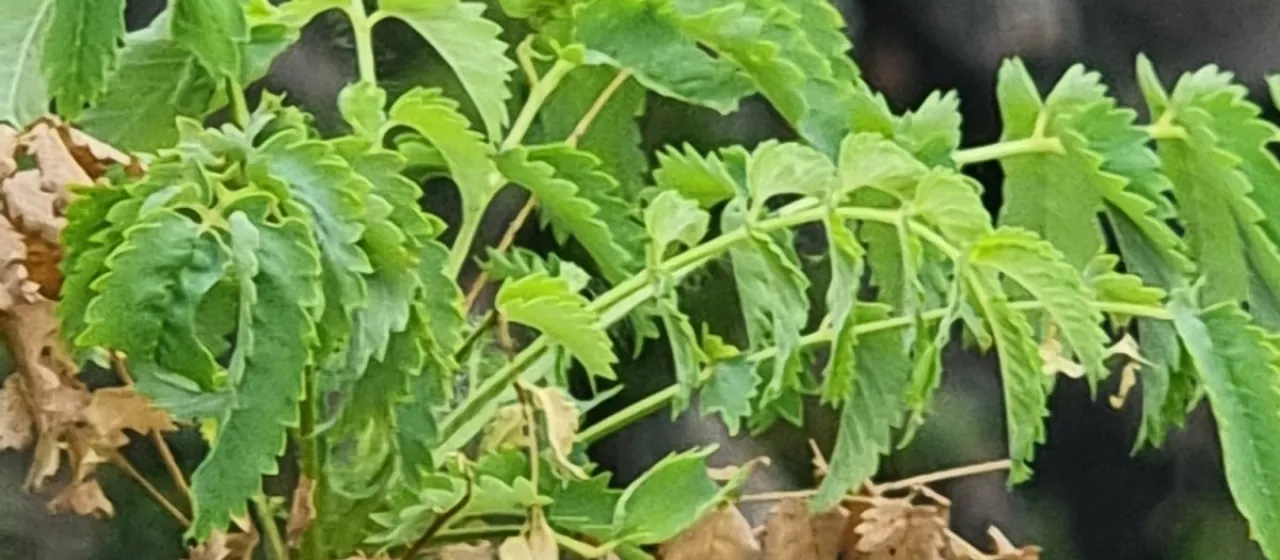
Description
Marcetella maderensis is a perennial shrub belonging to the Rosaceae family. As an endemic species from the Madeira archipelago, it possesses distinct morphological adaptations that allow it to thrive in specific oceanic island environments. While not a conventional agricultural crop, it is of significant interest to botanists, conservationists, and ornamental horticulture specialists focused on rare and endemic plant species.
The origin of this species is strictly linked to the unique microclimates of Madeira. It is typically found in humid, rocky areas where the influence of Atlantic moisture is constant. Due to its limited natural range, the plant is rarely cultivated outside of specialized collections or botanical gardens that can mimic its native subtropical conditions, requiring precise environmental management to ensure successful growth.
Botanically, Marcetella maderensis features dense, resilient foliage designed to withstand coastal winds. Its structure allows it to maintain a compact, shrub-like habit, which can be enhanced through systematic pruning. The plant produces delicate inflorescences typical of the family, providing a unique aesthetic value when grown under controlled conditions, particularly in conservatory or Mediterranean-style garden settings.
Cultivation requirements involve high-quality, well-draining soil that mimics the mineral-rich, slightly acidic substrate found in its native habitat. Proper moisture control is essential; while the plant appreciates humidity, waterlogged soil can lead to rapid root degradation. In a cultivation environment, maintaining consistent temperatures and providing adequate airflow are crucial to mimicking the maritime climate to which it is adapted.
In terms of usage, the plant is primarily utilized for botanical research and as a protected specimen in decorative horticulture. Its main challenges include susceptibility to fungal pathogens when ventilation is poor, and common greenhouse pests like spider mites. Effective management requires regular monitoring and integrated pest management strategies to protect the health of these rare botanical specimens.
- Soil Type: Well-drained, nutrient-rich, slightly acidic substrate.
- Sunlight: Bright, indirect light or filtered sun.
- Watering: Consistent moisture, ensuring excellent drainage.
- Pruning: Light trimming to maintain density and shape.
- Propagation: Specialized cutting propagation in sterile environments.