
Description
Margaritaria indica is a woody perennial plant belonging to the Phyllanthaceae family. Within the agricultural landscape, it is recognized as a hardy species capable of thriving in diverse tropical environments. The plant is primarily valued for its resilience and contribution to local ecosystems where it serves as a sustainable source of biomass.
The native range of this species spans across the tropical regions of India, Southeast Asia, and the Philippines. It is naturally adapted to high-humidity climates and tropical rainfall patterns. In agricultural settings, it is often incorporated into agroforestry schemes to provide shade and structural diversity in plantations located in humid tropical zones.
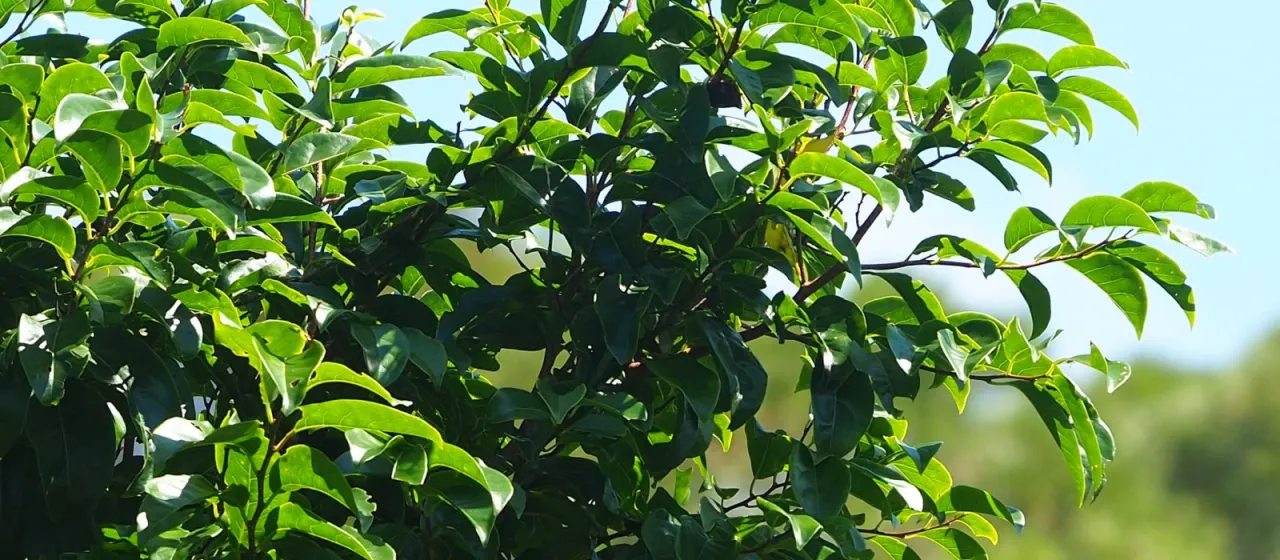
Botanically, it is characterized by its evergreen foliage and distinctive structure, which allows it to adapt to varying light conditions. The flowers are small and inconspicuous, while the fruit, which typically matures into a dehiscent capsule, plays a key role in the natural propagation of the species within its indigenous range.
For optimal growth, Margaritaria indica requires well-drained, fertile soil with a slightly acidic profile. Agrotechnical management involves regular soil aeration and the application of mulch to preserve moisture levels during the drier seasons. While it is a robust plant, early-stage protection against invasive weeds is crucial for establishing healthy plantations.
The economic utility of the plant is diverse, ranging from timber production to potential medicinal applications. The wood is utilized for local artisanal crafts and general construction due to its durability. Furthermore, the species is increasingly studied for its role in soil stabilization, making it a valuable candidate for re-vegetation projects in tropical regions.
- Climate preference: Tropical humid.
- Propagation: Seeds or semi-hardwood cuttings.
- Pest management: Integrated pest management (IPM) for leaf-feeding insects.
- Maintenance: Annual pruning for structural development.