
Description
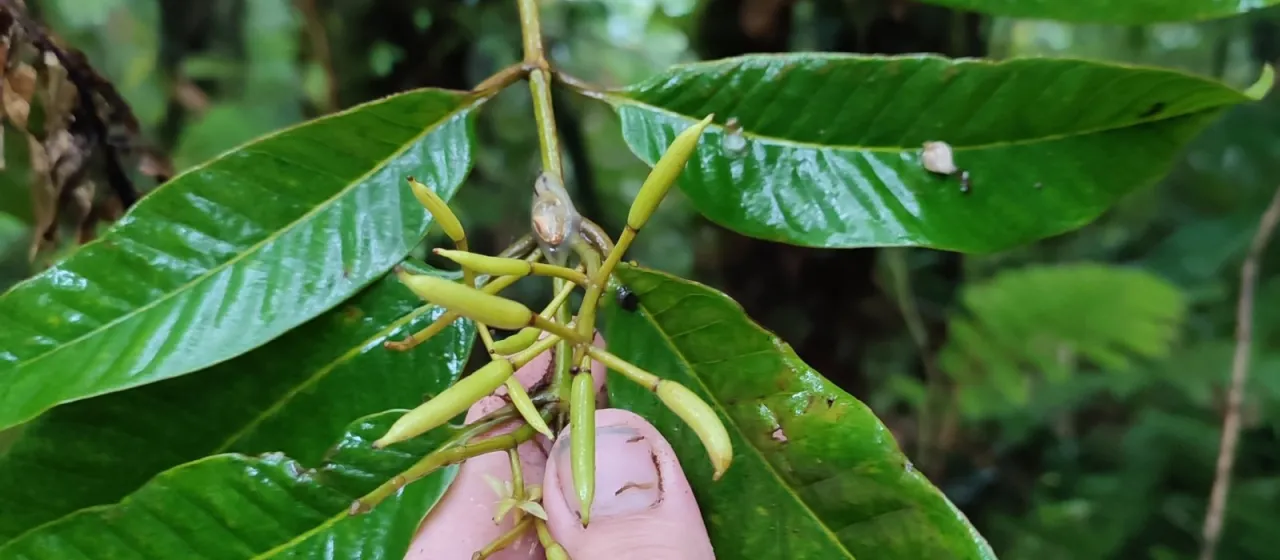
Marila racemosa is a woody plant species belonging to the Calophyllaceae family. This tree species serves as an important component of tropical vegetation, possessing distinct morphological features that allow it to adapt to the highly competitive and resource-rich environment of equatorial forests.
The origin of Marila racemosa is rooted in the tropical regions of Central and South America, including the Caribbean islands. Its natural range is restricted to lowland rainforests, where the plant thrives in areas characterized by high annual precipitation and consistently warm temperatures throughout the year.
Botanically, the species is defined by its opposite leaf arrangement and specialized raceme-like inflorescences, from which it derives its specific epithet. The flowers exhibit structural complexity, which is typical for plants that have co-evolved with specific tropical pollinators. The plant's structure allows it to efficiently capture moisture and sunlight under the dense forest canopy.
Regarding cultivation requirements, Marila racemosa demands well-drained, nutrient-rich soils and high humidity levels. In an agricultural or nursery setting, it is essential to maintain consistent moisture while ensuring proper aeration to avoid soil compaction. The species is highly sensitive to frost and sudden temperature drops, which makes it suitable only for strictly tropical or greenhouse environments.
The хозяйственное (economic) use of Marila racemosa includes local applications such as timber production for small-scale construction and potential ethnomedicinal uses of its secondary metabolites. Typical pests and diseases include tropical fungal pathogens that attack the roots in waterlogged soil and various leaf-eating insects. Effective management involves maintaining a balanced ecosystem to reduce stress and prevent infestation.