
Description
Alysson horehound (scientific name: Marrubium alysson) is a perennial herbaceous plant belonging to the Lamiaceae family. While often overshadowed by its more famous relative, white horehound, this species is gaining attention in modern agriculture for its resilience and potential applications in herbal medicine and specialized plant production.
The plant originates from the Mediterranean basin, spanning across North Africa and Southern Europe. It is naturally adapted to Mediterranean climates characterized by hot, dry summers and mild, wet winters. In an agricultural setting, it thrives in arid to semi-arid regions, serving as a low-input crop that requires minimal irrigation once established in suitable soil conditions.
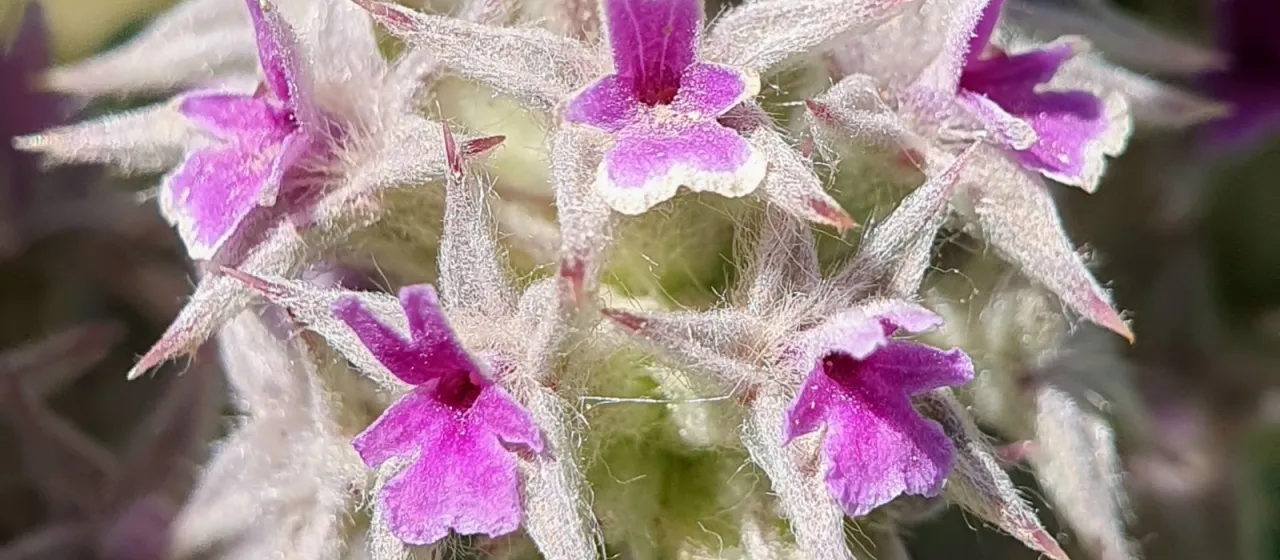
Botanically, it is a subshrub with a woody base and branching stems that can reach heights of up to 60 cm. The leaves are ovate with serrated margins, covered in fine hairs that provide a silvery appearance. The flowers are white to pale violet, arranged in dense verticillasters at the stem nodes, characteristic of many members of the mint family.
Regarding cultivation requirements, Marrubium alysson demands full sun exposure and well-draining, calcareous soils. It is highly intolerant of waterlogged conditions, which can lead to root degradation. Agricultural management focuses on soil aeration and the avoidance of high nitrogen levels, as excess nitrogen can lead to vegetative overgrowth at the expense of secondary metabolites production.
- Industrial application: Extraction of aromatic and bioactive compounds.
- Medicinal use: Traditional preparations for respiratory health.
- Environmental benefit: Drought-tolerant ground cover for erosion control.
- Pollination: Supports biodiversity in agricultural landscapes.
The main challenges in crop protection involve managing fungal pathogens such as mildew, particularly in regions with high humidity levels. Root rot is a significant risk factor in poorly drained fields. Pest management typically involves integrated pest management (IPM) strategies to address common pests like aphids and leaf miners, ensuring that the final herbal product meets the quality standards for commercial processing.