
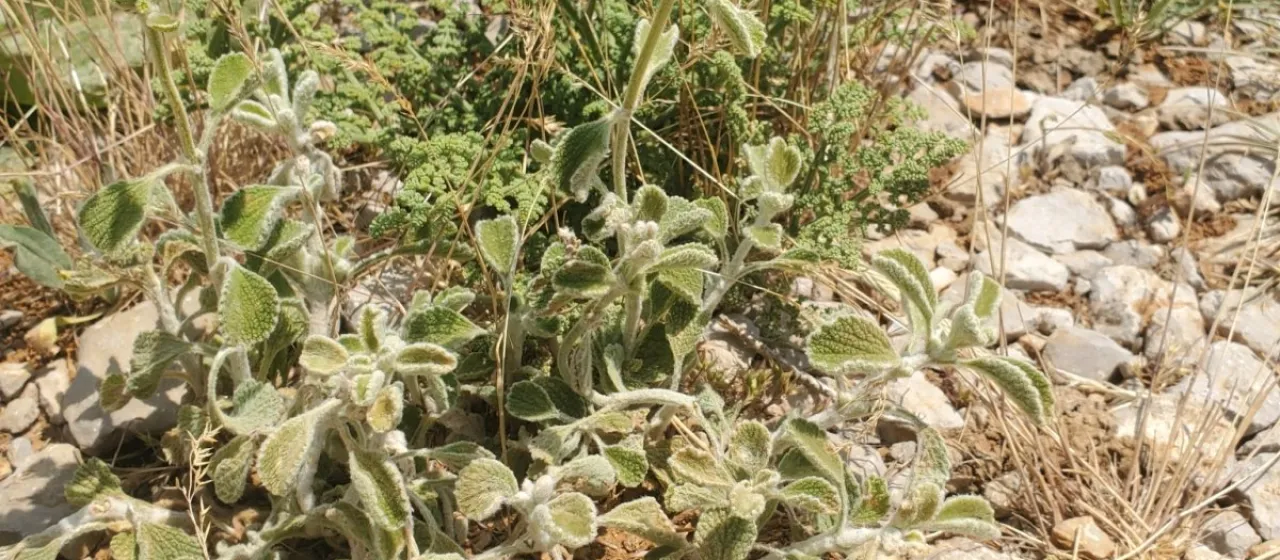
Description
Cuneate horehound (Marrubium cuneatum) is a perennial herbaceous plant belonging to the Lamiaceae family. This species is recognized for its significant medicinal potential and its remarkable ability to thrive in harsh environments, making it a valuable subject for specialized crop production.
Originating from the mountainous and arid regions of Asia, the plant is naturally adapted to survive in stony, nutrient-poor soils. Its native range features extreme temperature fluctuations, which has facilitated the development of secondary metabolites that are highly sought after by the pharmaceutical industry today.
The botanical structure of Marrubium cuneatum is defined by its pubescent stems and leaves, which feature a distinct cuneate or wedge-shaped base. The plant typically reaches a moderate height, forming dense clusters of flowers. These morphological traits contribute to its resilience against wind and heat stress in open field conditions.
In terms of agricultural requirements, the crop demands well-drained soil with a slightly alkaline pH. It is highly drought-tolerant and performs best in full sun exposure. Growers should prioritize avoiding waterlogged conditions, as this is the primary cause of root failure in this species. Minimal fertilization is generally sufficient for optimal growth.
The industrial and agricultural utility of this plant is primarily focused on its therapeutic compounds. Key applications include:
- Development of expectorant and anti-inflammatory medications.
- Extraction of essential oils for use in phytotherapy.
- Integration into herbal wellness products and supplements.
Regarding plant health, pests such as aphids and spider mites are the most common concerns during the peak growing season. Pathogenic threats typically include fungal infections, particularly those triggered by poor ventilation or excess soil moisture, necessitating careful field management practices.