
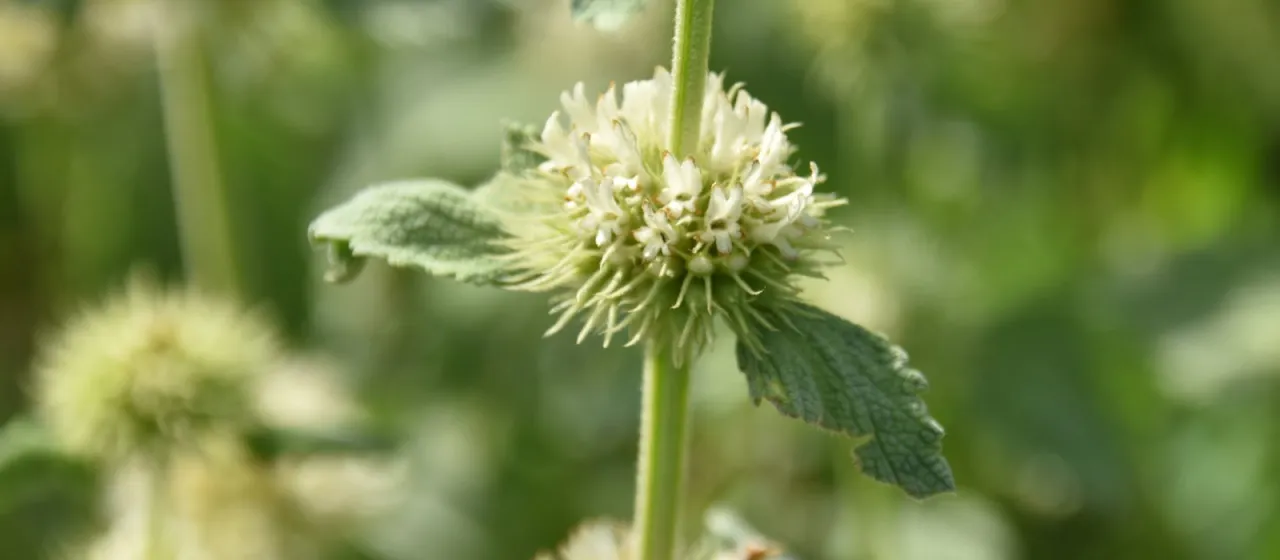
Description
Frivaldszky's horehound (Marrubium friwaldskyanum) is a perennial herbaceous plant belonging to the Lamiaceae (mint) family. This species is an important representative of the genus, known for its resilience and specific biochemical properties that make it a subject of interest in both botany and agricultural research.
The plant is native to the Balkan Peninsula, naturally occurring in rocky habitats and mountain slopes. Its evolutionary development in such harsh environments has equipped it with strong drought-tolerance mechanisms, allowing it to thrive in climates where other crops might struggle due to limited moisture and intense solar exposure.
Botanically, Frivaldszky's horehound is characterized by its semi-shrubby growth habit and dense pubescence covering the foliage. This hairiness is a critical adaptation for reflecting UV radiation and reducing transpiration. The leaves are typically wrinkled, and the flowers grow in dense, axillary whorls, which is a hallmark feature of this botanical group.
Cultivation requirements focus on providing well-drained, alkaline-rich soils. The plant requires minimal fertilization and prefers full sun exposure to ensure the proper concentration of essential oils. Proper spacing is essential in field production to allow for air circulation, which helps maintain the plant's health and prevents the development of fungal diseases such as powdery mildew.
Economic applications for this crop include the production of medicinal extracts and dietary supplements, as it is valued for its specific pharmacological profile. Furthermore, it serves as a valuable nectar source for bees and pollinators, making it an excellent candidate for integrated farming systems or sustainable landscapes where water conservation is a priority.
- Choose locations with excellent drainage to prevent root rot.
- Space plants adequately to encourage airflow and prevent fungal buildup.
- Minimize supplemental watering once the plants are established.
- Harvest during the flowering peak for maximum phytochemical content.