
Description
Small-flowered horehound (Marrubium parviflorum) is a perennial herbaceous plant belonging to the Lamiaceae family. This species is of significant interest in herbal medicine and agricultural sectors due to its biochemical profile, which includes various bioactive compounds characteristic of the genus.
Originating from the arid and semi-arid regions of Central Asia and the Caucasus, this plant is naturally adapted to harsh environments. Its distribution range demonstrates high ecological plasticity, allowing it to thrive in nutrient-poor soils under conditions of significant moisture deficit where traditional crops might fail.
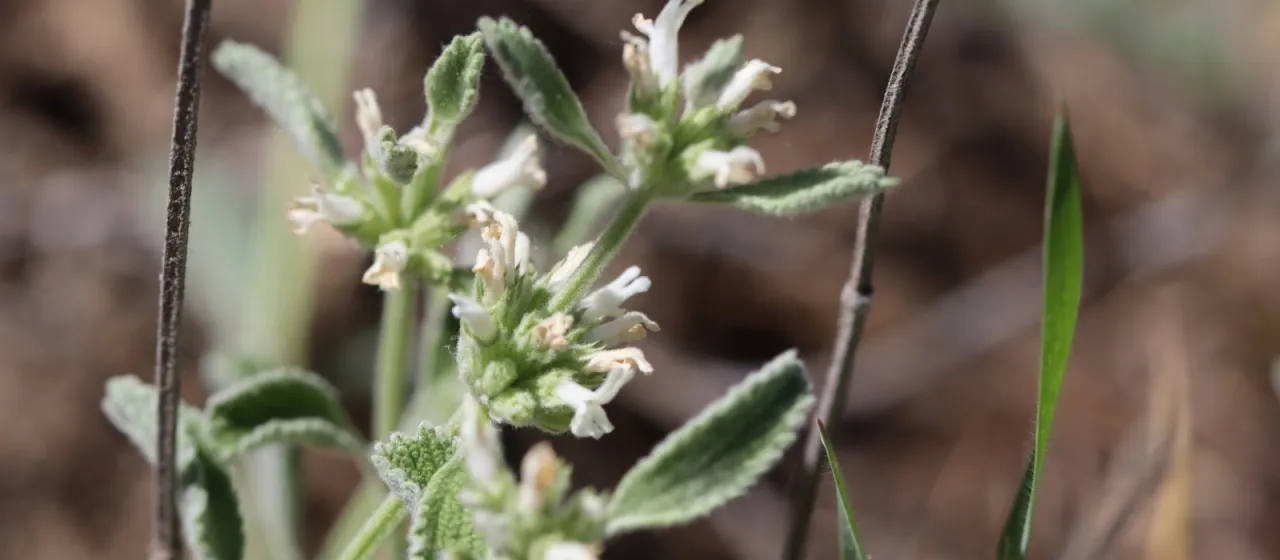
The botanical structure of the plant is defined by its pubescent stems and leaves, which minimize transpiration. It typically develops a robust root system capable of exploiting deep soil layers. The leaves are generally smaller compared to related species, and the flowers are arranged in dense whorls, providing a distinct appearance during the blooming phase.
Agronomic requirements for Marrubium parviflorum center on excellent soil drainage and full solar exposure. It performs best in sandy or gravelly loams with a neutral to alkaline pH. Over-fertilization, especially with nitrogen, should be avoided as it can reduce the plant's natural resistance and alter the secondary metabolite concentration.
- Extreme tolerance to heat and drought.
- Adaptability to low-fertility soils.
- Requirement for low humidity environments.
- Ease of propagation via seeds or vegetative division.
The primary economic use of this plant is in the pharmaceutical industry, particularly for manufacturing herbal extracts used in respiratory support formulations. Beyond medicine, it serves as a valuable forage plant for pollinators in arid areas where few nectar sources exist during the late summer months.
Common pests include aphids and various leaf-eating beetles that can significantly impact biomass yield. Disease management relies heavily on preventing waterlogged conditions, which are the primary driver of root rot pathogens. Integrated pest management strategies that emphasize sanitation and controlled irrigation are essential for maintaining crop health.