
Description
Marsupella emarginata is a species of leafy liverwort belonging to the family Gymnomitriaceae. While it is not a crop in the traditional agricultural sense, it serves as a fascinating example of specialized plant adaptation to extreme environmental conditions, specifically those found on moist, rocky outcrops.
This species is widely distributed across the temperate and subarctic regions of the Northern Hemisphere. It thrives in high-humidity habitats, frequently colonizing rocky slopes, stream banks, and the spray zones of waterfalls. Its ability to adhere to bare rock surfaces makes it a critical pioneer species in the succession of mountain ecosystems.
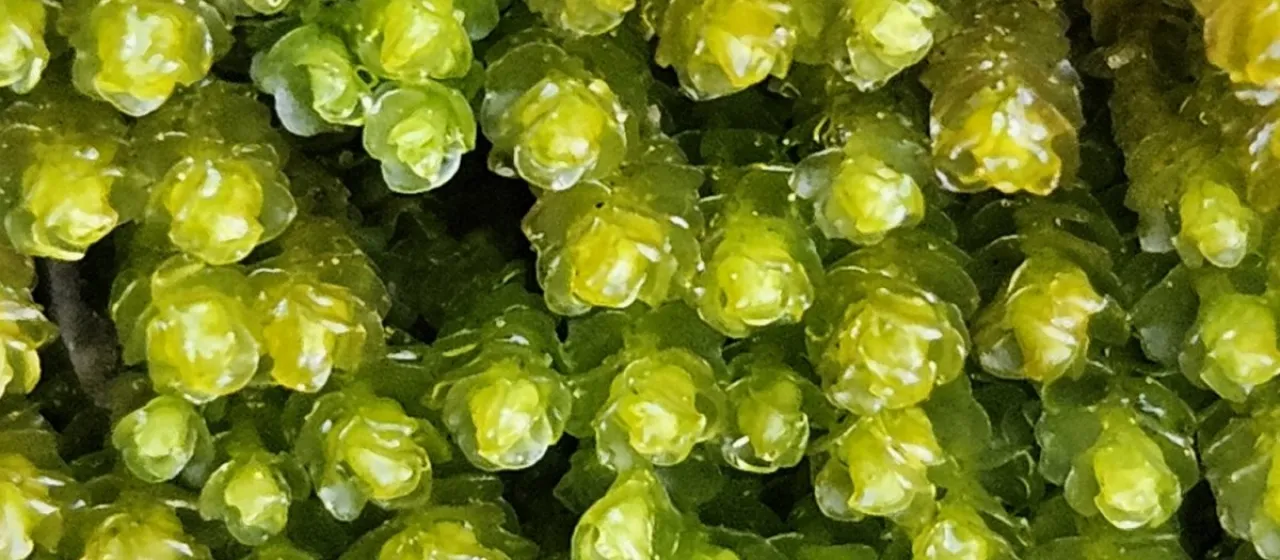
Morphologically, Marsupella emarginata forms dense, compact tufts that range in color from deep green to a brownish-purple hue. The stems are typically erect and branched, covered with small, closely appressed leaves. A distinct feature of this liverwort is the notch at the apex of its leaves, which provides a clear diagnostic character for identification.
Regarding its ecological role, the plant contributes significantly to soil stabilization and water retention on rocky terrains. In contemporary landscaping, particularly in specialized setups like paludariums or alpine gardens, it is valued for its ability to create a realistic, lush green carpet in environments where water flow is consistent and minerals are readily available in the substrate.
Cultivation of this liverwort is challenging because it requires specific environmental parameters: high humidity, moderate temperatures, and access to clean, non-alkaline water. It is notably sensitive to nutrient runoff and chemical pollution, making it an excellent bio-indicator of water quality in the wild. Its growth relies on vegetative propagation or spore dispersal, both of which require stable, moisture-rich conditions to be successful.