
Description
Marsypianthes chamaedrys is a fascinating herbaceous plant belonging to the Lamiaceae family. While primarily known in botanical circles, it serves as a valuable genetic resource and a source of medicinal compounds, making it a subject of interest for specialized agricultural projects and pharmaceutical research.
Originating from the tropical regions of the Americas, this species thrives in climates characterized by warm temperatures and consistent moisture. Its natural distribution spans across varied tropical landscapes, where it acts as a resilient perennial groundcover, often flourishing in sun-exposed habitats.
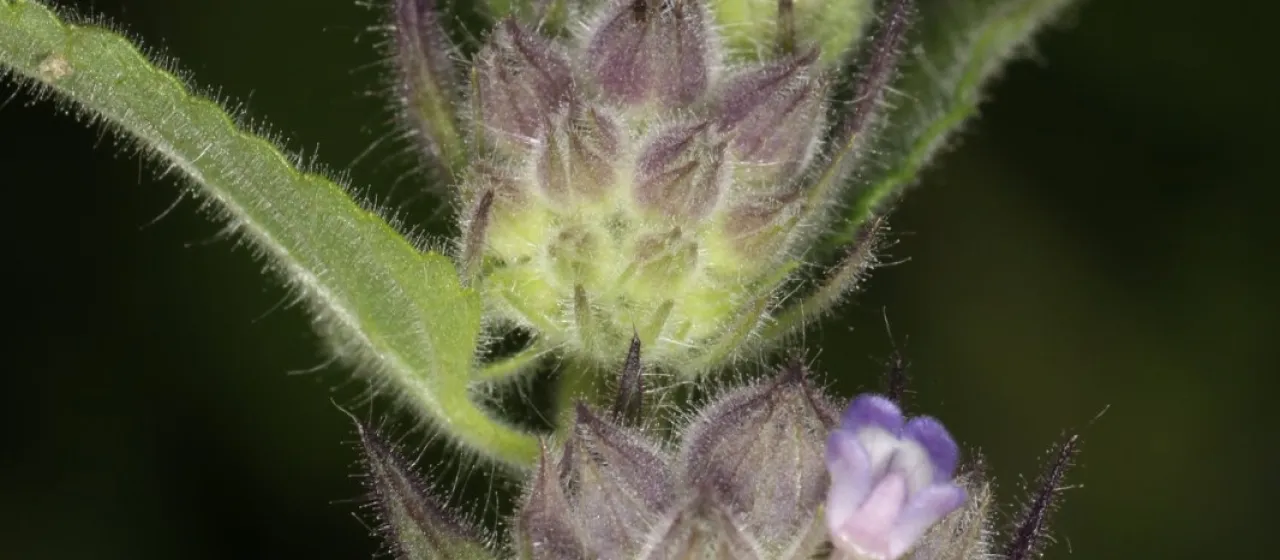
The botanical structure of the plant is defined by its branched, often glandular-pubescent stems and opposite, serrated leaves. The flowers are distinctive, organized into tight, globose heads, exhibiting a vibrant color palette that contributes to its overall ecological attractiveness. These structures are adapted to specific pollinators, ensuring successful reproduction in native habitats.
To cultivate Marsypianthes chamaedrys effectively, growers must focus on providing well-drained, nutrient-rich soil with a neutral pH level. The plant requires a stable, frost-free environment to thrive. Irrigation management is critical, as it needs consistent moisture for vigorous growth, yet it is highly susceptible to root rot if waterlogging occurs.
In terms of agricultural and practical application, the plant is valued for its essential oils and secondary metabolites. Management of the crop involves standard integrated pest management (IPM) practices to combat threats like aphids and powdery mildew. Maintaining proper air circulation between plants is essential to prevent fungal diseases in humid cultivation settings.