
Description
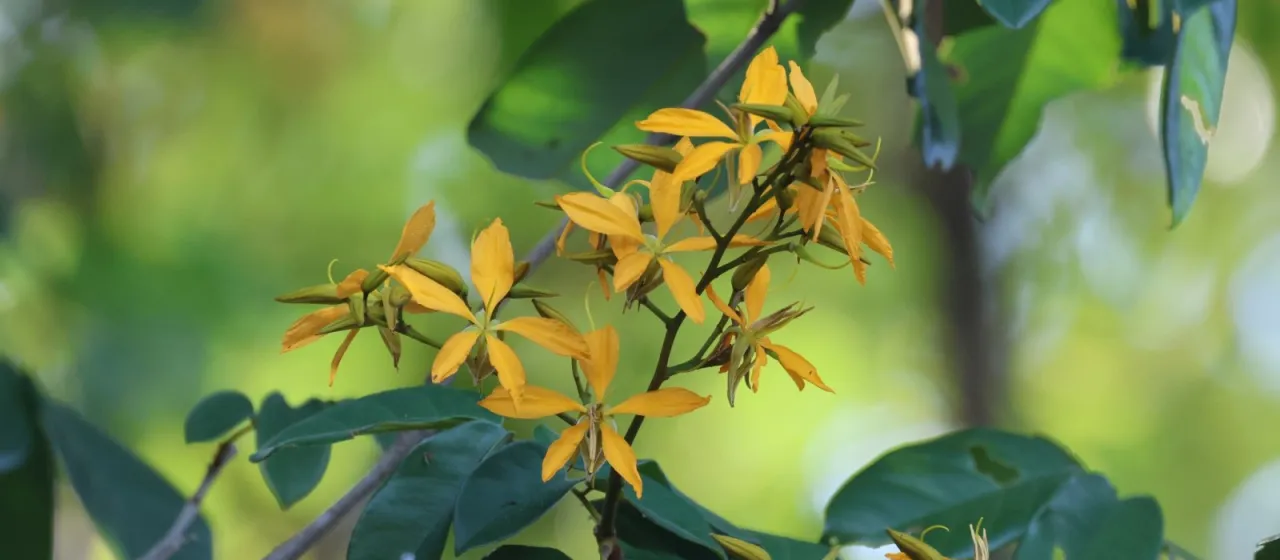
Martiodendron excelsum is a large tree species belonging to the Fabaceae (Legume) family. As a prominent member of tropical flora, this tree is known for its impressive stature and high-quality timber properties, which are typical for various woody species within the legume family.
The native distribution of this species is centered in the tropical regions of South America, primarily within the Amazon basin and surrounding rainforest areas. It thrives in an equatorial climate characterized by stable high temperatures and abundant rainfall throughout the year, which facilitates its robust growth cycle in the wild.
Botanically, the tree features pinnate leaves and a significant root system capable of extracting nutrients from diverse tropical soil profiles. As it matures, the tree develops a dense and durable wood structure. Its reproductive cycle involves the production of dry, dehiscent pods that release seeds into the forest floor, ensuring natural regeneration within the ecosystem.
Regarding silviculture and cultivation, the tree demands conditions that closely replicate its natural understory or canopy environment. Soil requirements include high organic content, good drainage, and a slightly acidic to neutral pH. Young saplings are particularly sensitive to light intensity and must be provided with appropriate shading to prevent physiological stress during their establishment phase.
The primary economic value of Martiodendron excelsum lies in its premium-quality timber, highly sought after for furniture manufacturing and construction due to its density and natural resistance. Furthermore, the tree plays a crucial role in tropical forest restoration and the preservation of soil integrity, providing essential habitat for various local wildlife species.
Pest management and disease control are vital for maintaining healthy stands of this species. Common threats include xylophagous insects that bore into the trunk and various fungal pathogens that thrive in high-humidity environments, leading to root rot. Successful management focuses on maintaining appropriate forest stand density to allow for air circulation and continuous monitoring of tree vigor.