
Description
Matisia cordata, commonly known as the South American sapote or chupa-chupa, is an evergreen tree species belonging to the Malvaceae family, specifically the Bombacoideae subfamily. It is a robust, fast-growing tree that is highly valued in its native environment for both its edible fruit production and its ability to provide structural shade in agroforestry systems.
The tree originates from the tropical rainforests of South America, primarily within the Amazon and Orinoco basins. Its cultivation is primarily concentrated in countries such as Colombia, Ecuador, Peru, and parts of Brazil. It thrives in lowland tropical climates that are characterized by high humidity, abundant rainfall, and a lack of significant seasonal temperature fluctuations.
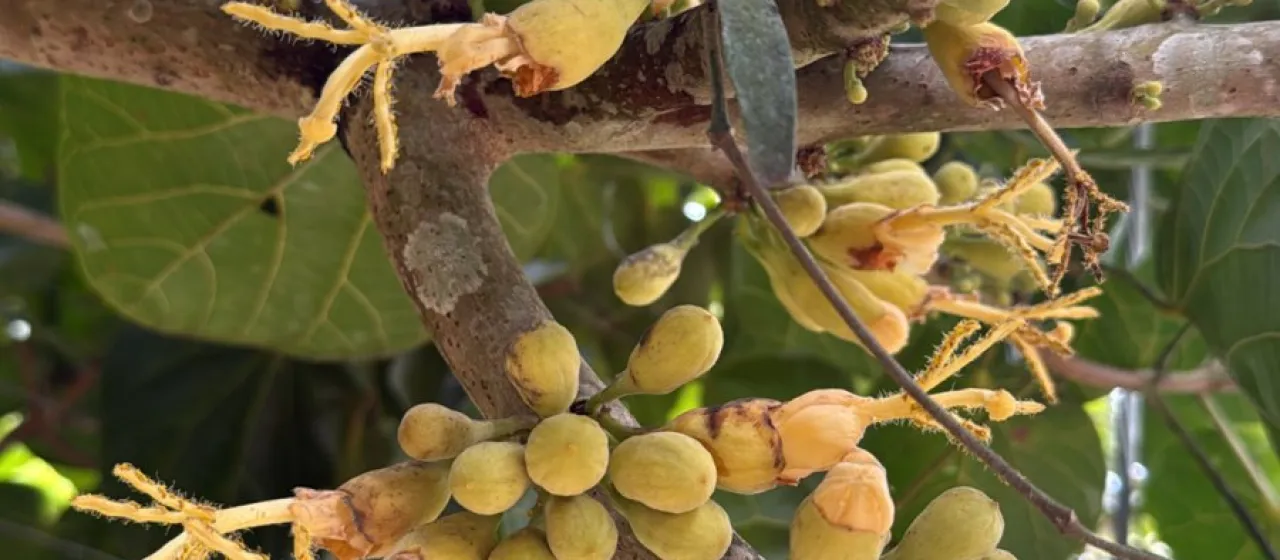
Botanically, Matisia cordata is distinguished by its large, cordate (heart-shaped) leaves and its unique habit of cauliflory, where pale, yellowish flowers bloom directly from the trunk and main branches. The fruit is a drupe with a leathery brown skin and a fibrous, sweet, orange-colored pulp that contains several large seeds. The texture is often described as creamy and reminiscent of other sapote-like fruits.
Successful cultivation requires deep, fertile, and well-draining soils rich in organic matter. As a tropical species, it is highly sensitive to frost and cold winds, requiring warm sheltered locations for optimal growth. Agrotechnical practices focus on maintaining consistent soil moisture, providing regular organic fertilizer applications, and employing pruning techniques to manage tree height and improve yield access.
- Selection of sites with consistent year-round warmth.
- Regular irrigation to simulate tropical rainfall patterns.
- Application of mulch to suppress weeds and retain soil moisture.
- Strategic pruning for crown development and harvesting efficiency.
Economically, the fruit is utilized fresh, processed into juices, jellies, and ice cream ingredients due to its rich flavor profile. Beyond its culinary value, the tree is sometimes used in reforestation efforts. Management of pests, such as scale insects and aphids, as well as fungal pathogens in high-humidity conditions, is critical to maintaining tree health and ensuring the quality of the commercial fruit yield.