
Description
Matourea scutellarioides is an herbaceous plant species belonging to the family Plantaginaceae. While it remains a niche plant in international agriculture, it possesses distinct morphological characteristics that set it apart from more common crops, making it a subject of interest for specialized botanical studies.
The plant is native to South America, primarily flourishing in tropical habitats. It typically thrives in regions with consistent rainfall and high humidity. Its natural distribution is closely linked to the diverse ecosystems of the Amazon Basin, where it adapts to the shade of forest gaps and moist soil conditions.
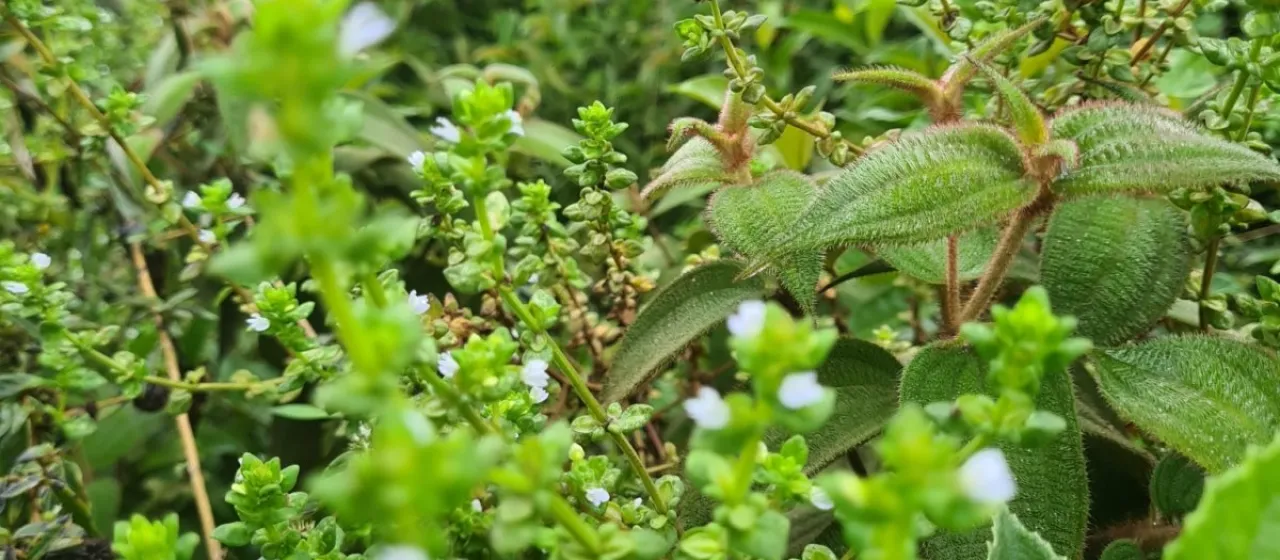
Botanically, Matourea scutellarioides is characterized by its distinct leaf shape and flower structure, which draws parallels to the genus Scutellaria. It exhibits branching stems and leaves with serrated margins, which are essential for maximizing photosynthetic efficiency in low-light tropical forest environments.
Successful cultivation of this species requires strict adherence to its biological preferences. Key agricultural requirements include:
- High ambient humidity levels (consistently above 70%).
- Rich, organic, and well-draining soil substrates.
- Protection from direct, scorching sunlight.
- Maintaining tropical temperature ranges throughout the growth cycle.
The хозяйственное (economic) potential of Matourea scutellarioides is primarily centered on its secondary metabolites, which are currently being analyzed for pharmaceutical properties. While it is not yet a mainstream commodity, the study of its growth cycles and resilience contributes valuable data to the understanding of tropical biodiversity and the potential for domesticating wild botanical specimens.