
Description
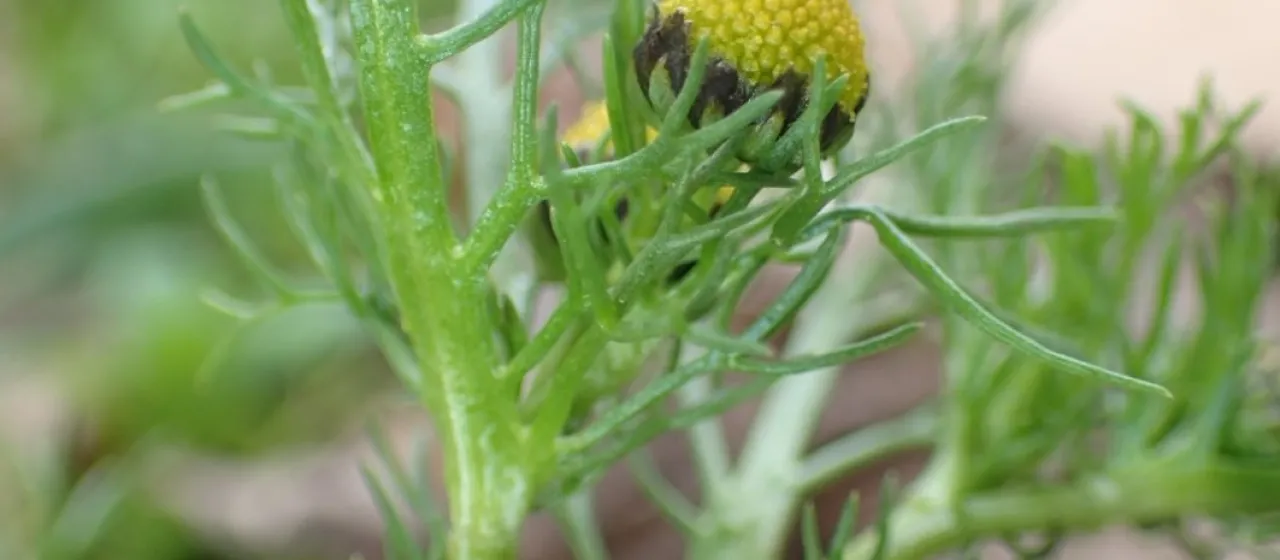
Pineapple weed (Matricaria aurea or Matricaria discoidea) is a small, annual herb belonging to the Asteraceae family. Its common name is derived from the distinct, sweet, pineapple-like fragrance released when its conical, yellow-green flower heads are crushed. Unlike typical chamomile species, it lacks the iconic white ray florets.
Native to North America and Northeast Asia, this plant has become a highly successful naturalized species throughout the temperate regions of the world. It thrives in disturbed habitats, frequently occupying roadsides, construction sites, and compacted agricultural pathways where other vegetation struggles to survive.
Botanically, the plant is characterized by a low-growing, highly branched habit, typically reaching heights of 5 to 30 centimeters. Its foliage is finely divided and feathery, contributing to its resilient nature. The plant is well-adapted to cooler climates and exhibits remarkable drought tolerance, making it a reliable colonizer of barren soil.
In terms of cultivation, pineapple weed requires minimal intervention. It thrives in full sun and thrives on poor, well-drained soils. Its agricultural importance as a crop is often supplemental; it is harvested as a wild-crafted medicinal herb rather than a major commercial row crop. However, in herbal farming, it is managed by ensuring minimal competition from aggressive weeds during the germination phase.
The practical applications of this species are diverse and significant:
- Ethnobotany: Traditional tea-making for digestive comfort and stress relief.
- Culinary use: Flowers can be used as a fragrant garnish or flavoring in beverages.
- Agriculture: It acts as an indicator of compacted soil in pasture management.
- Ecology: Serves as a source of nectar for beneficial pollinators and local insects.
Regarding health and safety, the crop is generally hardy, though it may be susceptible to root rot in waterlogged conditions. Pests such as aphids may congregate on the flower heads during dry spells. Proper crop rotation and maintaining adequate soil drainage are the primary defense strategies against these biological challenges.