
Description
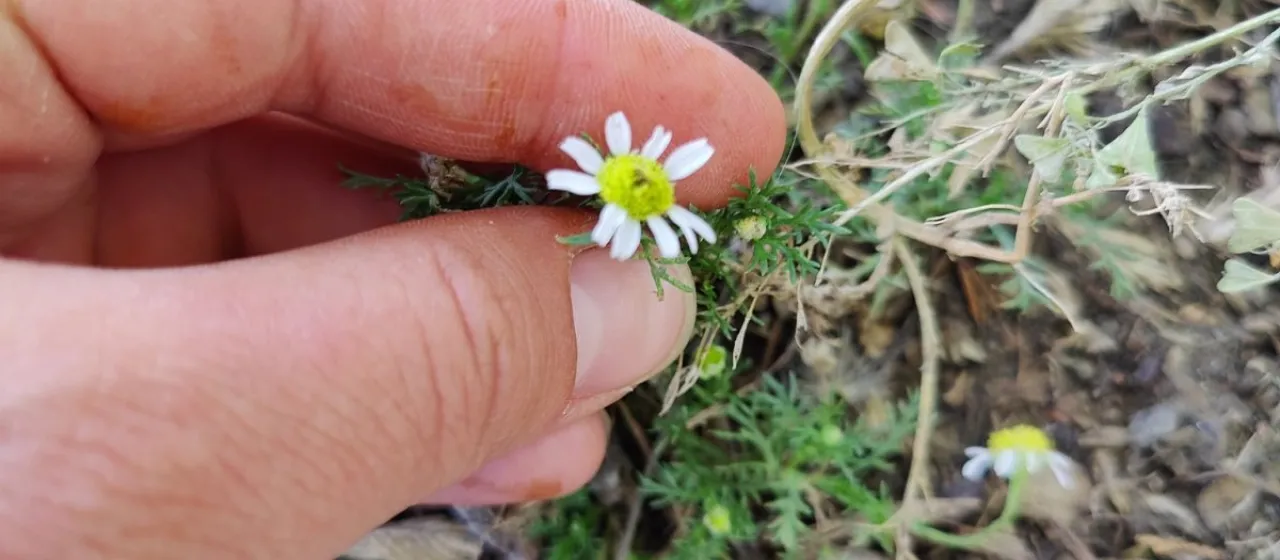
Matricaria tzvelevii is an annual herbaceous plant belonging to the Asteraceae family. This species, identified as a distinct botanical entity within the Matricaria genus, is characterized by its specific adaptation to arid and semi-arid environments. It serves as an interesting subject for agricultural diversification in regions where water scarcity limits the production of conventional crops.
The origin of this species is linked to the Eurasian steppes, where it has evolved to thrive in specialized ecological niches. Its distribution is currently localized, but its potential as a cultivated crop is gaining attention due to its resilience. Agronomically, it is classified as a low-input crop, which is highly advantageous for sustainable farming practices in challenging climate zones.
Botanically, Matricaria tzvelevii features highly dissected foliage and characteristic daisy-like inflorescences. The flower heads consist of a hollow, conical receptacle, which is a key taxonomic identifier. Its root system is well-developed, allowing for efficient nutrient uptake even in poor soil conditions, ensuring structural integrity and consistent floral production during the growth cycle.
Climate and soil requirements are relatively flexible, though the plant shows a strong preference for well-drained, alkaline-to-neutral soils. Proper crop management is essential for maximizing yield. Key cultivation practices include:
- shallow seed burial during spring sowing
- optimization of plant density to prevent competition
- regular monitoring of soil moisture levels
- controlled harvesting during the peak flowering stage
Economically, the crop is utilized in the pharmaceutical and cosmetic industries for its essential oil and secondary metabolite content. Common pests include aphids and mites, which can be managed through biological control methods. Diseases like root rot are generally mitigated by ensuring proper drainage and avoiding waterlogging, which is critical for the long-term viability of the cultivation site.