
Description
Creeping daisy, scientifically classified as Mauranthemum paludosum (formerly known as Leucanthemum paludosum), is an annual herbaceous plant belonging to the Asteraceae family. Despite its common name, which suggests a preference for wetlands, this plant performs best in well-drained, sunny locations, making it a popular choice for garden borders and container gardening.
The plant originates from the Mediterranean region and has adapted to various temperate and subtropical climates globally. Its cultivation is primarily focused on ornamental purposes. It thrives in open landscapes where it can receive maximum sunlight, which is essential for maintaining its compact growth habit and prolific flowering cycles throughout the growing season.
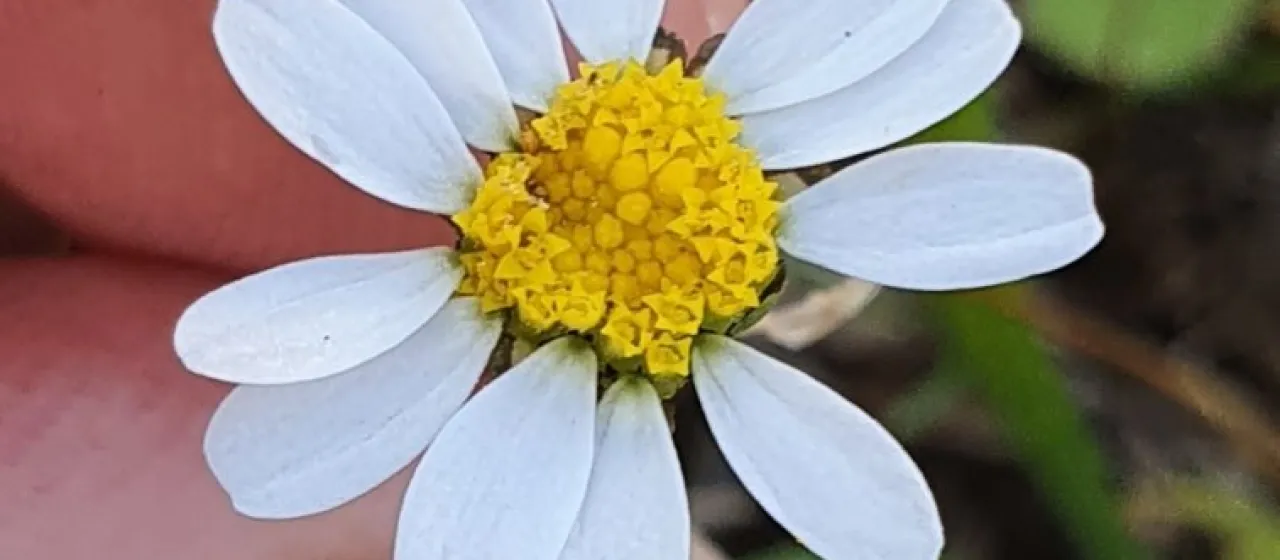
Botanically, this species is defined by its low-growing structure, typically reaching heights of 15–25 centimeters. It features branched stems and pinnately lobed leaves. The flowers are small, daisy-like heads with prominent white petals and a bright yellow center, creating a striking contrast that is highly valued in landscape design for mass planting and ground cover.
The agricultural requirements for this crop include light, nutrient-rich soil with a neutral pH. Proper soil drainage is critical to ensure the longevity of the plant, as it is susceptible to root rot if soil moisture levels remain consistently high. Fertilization should be moderate, as excessive nitrogen levels tend to promote foliage development at the expense of floral display.
In terms of хозяйственное usage, the creeping daisy is exclusively an ornamental crop. It is widely employed in professional landscaping to create tidy, uniform floral displays in parks, residential gardens, and public spaces. Its ability to bloom continuously from early summer until the onset of autumn makes it a highly sought-after plant for urban decoration and container sales.
- Maintain consistent but moderate moisture throughout the peak blooming period.
- Deadhead spent flowers regularly to encourage continuous bud production.
- Ensure adequate spacing between plants to allow for airflow and prevent foliage fungal issues.
Common health issues include powdery mildew, which can become prevalent in humid or crowded conditions. In terms of insect pests, aphids and spider mites are the primary threats that require monitoring. Integrated pest management, including regular inspection and the use of appropriate pesticides, is recommended to ensure robust growth and consistent plant health.