
Description
The Himalayan blue poppy (Meconopsis baileyi) is a stunning perennial plant within the Papaveraceae family. Celebrated for its intense, ethereal blue flowers, this species is highly prized by gardeners and horticulturalists as a specialty crop for shade-loving landscapes in cool-temperate regions.
Originating from the alpine meadows and woodlands of the Himalayas and Tibet, the plant is naturally adapted to high-altitude environments with consistent moisture and relatively cool temperatures. Its distribution in cultivation is successful primarily in areas where summer heat is minimal, as extreme temperature spikes significantly impact its growth.
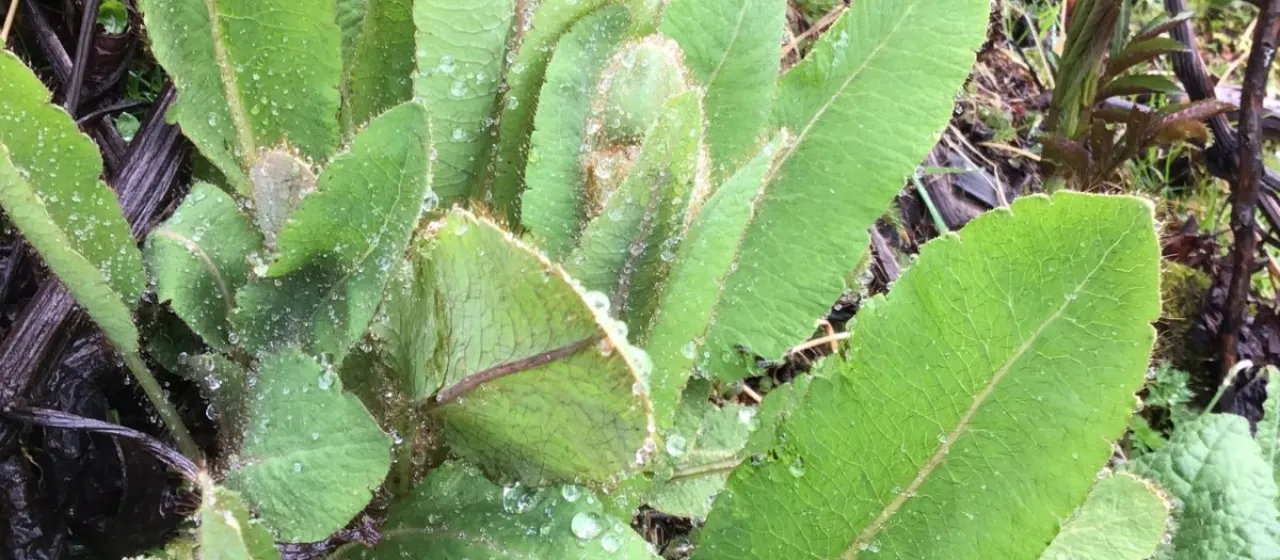
Botanically, the plant develops a basal rosette of oblong leaves, followed by a tall, bristly stem carrying several bowl-shaped flowers. The petals exhibit a vibrant blue hue, often complemented by a central cluster of gold-colored stamens. The entire structure is covered in fine, hair-like trichomes, an evolutionary adaptation for life in harsh mountain climates.
Successful cultivation requires meticulous attention to the growing medium. The ideal soil should be rich in leaf mold or well-rotted organic matter, slightly acidic, and provide exceptional drainage. While the plant loves humidity, it cannot tolerate 'wet feet' during winter months. A site with light shade or filtered sunlight is critical for its health.
In terms of agricultural and horticultural management, the Himalayan blue poppy is susceptible to fungal diseases such as downy mildew and root rot if ventilation is poor or soil moisture is excessive. Pests like slugs and snails are persistent threats to the young foliage. Regular monitoring and use of organic mulches are recommended to maintain stable root temperature and moisture levels.