
Description
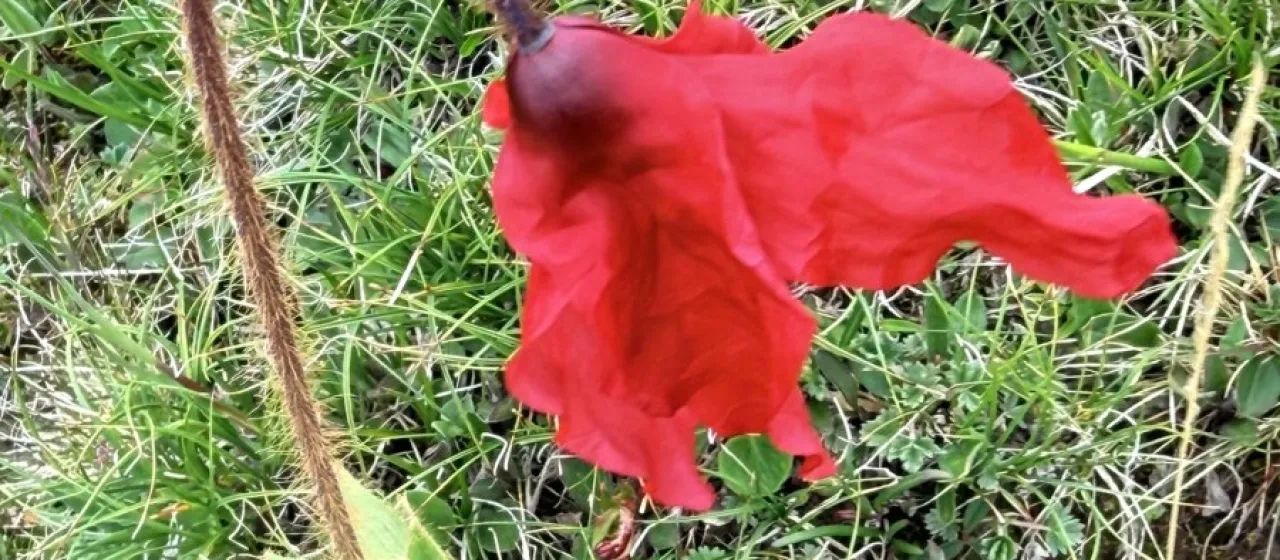
Meconopsis punicea, commonly known as the crimson poppy, is a perennial herbaceous plant belonging to the Papaveraceae family. It is distinct within the genus for its nodding, bell-shaped flowers of a striking scarlet-red color, making it a highly prized species for alpine garden enthusiasts and collectors of rare high-altitude flora.
The origin of this species is traced to the high-altitude regions of Tibet and Western China. It naturally thrives in subalpine and alpine meadows, specifically in areas with a cool climate and high atmospheric humidity. These environmental conditions have shaped the plant's physiological requirements, which often prove challenging to replicate in lowland garden settings.
Botanically, the plant develops a basal rosette of lanceolate, pubescent leaves. During the blooming season, a single scape arises, bearing a characteristic pendant flower. The plant's structure is an evolutionary adaptation to the harsh, windy environments of the Himalayas, allowing it to protect its reproductive organs from rain and cold while remaining accessible to specific alpine pollinators.
Successful cultivation of Meconopsis punicea demands strict adherence to specific horticultural conditions. It requires a cool, shaded environment with loose, humus-rich, and slightly acidic soil that provides excellent drainage. The plant is notoriously sensitive to waterlogging, which can cause crown rot, and it generally dislikes hot summers, necessitating careful site selection to ensure success.
- Maintain constant moisture levels while avoiding water stagnation.
- Apply organic mulch to keep the root system cool and retain soil moisture.
- Protect the plants from intense afternoon sunlight and strong, dry winds.
- Perform regular inspections for pests, especially during the early growth stages.
- Use a balanced, light fertilizer program to support development without salt buildup.
In terms of хозяйственного usage, the species is cultivated primarily as an ornamental specimen in rock gardens or alpine collections. Its main challenges include susceptibility to fungal pathogens, such as downy mildew and root rot, which are often triggered by improper aeration or excessive moisture. Pests such as slugs and aphids can significantly impact the plant's health, requiring vigilant integrated pest management practices.