
Description
Hybrid alfalfa (Medicago hybrida) is a significant perennial forage crop belonging to the Fabaceae family. As a result of crossbreeding between Medicago sativa and Medicago falcata, this plant combines the high productivity and quality of common alfalfa with the cold hardiness and environmental resilience of sickle alfalfa.
The origin of this crop is rooted in the temperate regions of Eurasia. Today, it is cultivated worldwide, particularly in areas where extreme weather conditions, such as harsh winters or periodic droughts, limit the growth of standard alfalfa varieties. Its ability to adapt to diverse ecological conditions makes it a reliable choice for farmers aiming for consistent forage production.
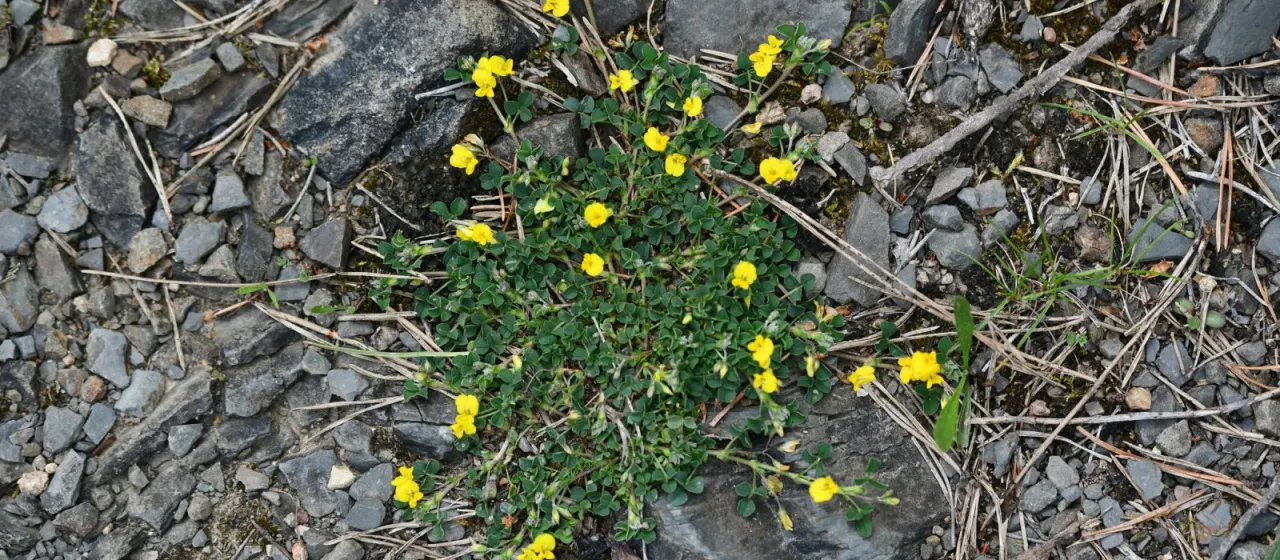
Botanically, it features a robust, deep-reaching taproot system and dense foliage. The plant exhibits varied flower colors, ranging from blue and violet to yellow, which is a characteristic feature of its hybrid genotype. Its growth habit is often more spreading than that of pure Medicago sativa, providing better ground cover and weed suppression.
Agronomic requirements emphasize well-drained, fertile, neutral to slightly alkaline soils for optimal performance. While it tolerates various soil types better than other alfalfa species, proper field preparation and early-stage weed control are essential for establishing a long-lasting stand. The crop responds well to phosphorus and potassium fertilization, which enhances its winter survival and regrowth rate after mowing.
The primary agricultural utility of hybrid alfalfa is the production of high-protein hay, silage, and pasture grazing. It is exceptionally valuable for livestock, providing high concentrations of essential amino acids, calcium, and vitamins. Furthermore, its role in sustainable agriculture is significant, as it improves soil structure and contributes to nitrogen fixation, reducing the need for chemical fertilizers in subsequent crops.
- Superior cold and frost tolerance.
- Excellent drought resistance compared to pure alfalfa.
- High nutritional quality for dairy and beef cattle.
- Strong disease resistance, particularly to crown and root rots.
- Significant nitrogen-fixing potential for soil health.