
Description
Early medic (Latin: Medicago praecox) is an annual herbaceous plant species belonging to the Fabaceae family. Unlike its perennial counterparts, this species is characterized by its rapid life cycle, which allows it to thrive in Mediterranean climates where spring moisture is short-lived.
Its natural range encompasses the Mediterranean Basin, extending into North Africa and Western Asia. Throughout its evolution, the plant has become highly resilient to harsh, arid environments, frequently found in rocky habitats and disturbed landscapes where it can quickly establish before the summer drought begins.
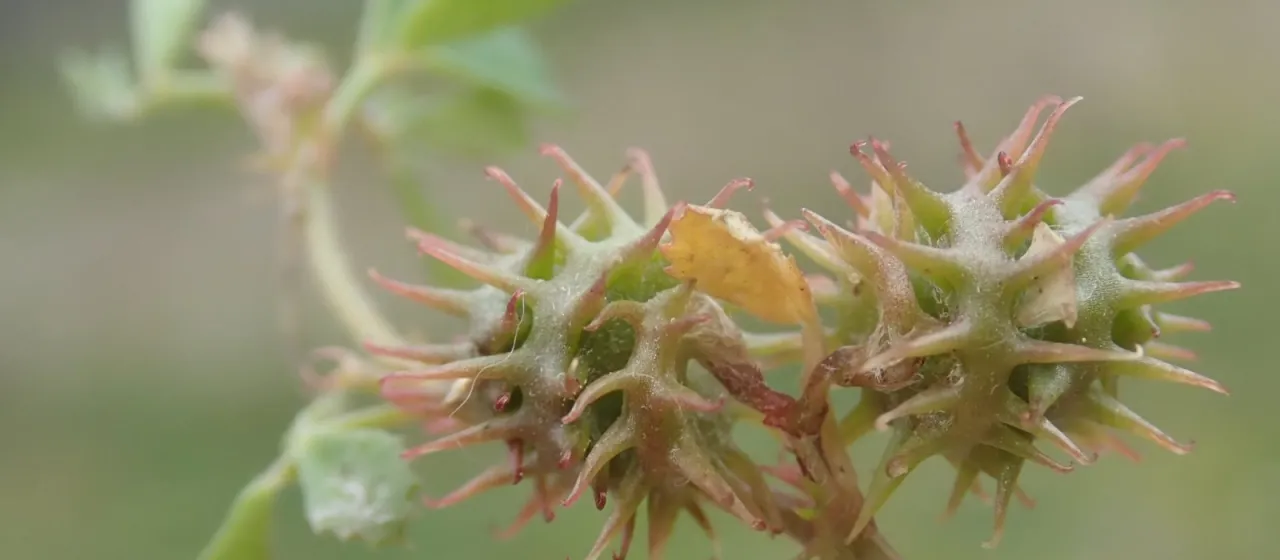
The botanical structure of the early medic includes a low-growing or decumbent stem with trifoliate leaves. The flowers are typically bright yellow, which are iconic for the Medicago genus, followed by coiled, often spiny pods. These adaptations protect the seeds and assist in dispersal through livestock and wild fauna.
Regarding cultivation, the early medic thrives in alkaline to neutral soils with excellent drainage. It is generally undemanding but benefits from light soil working to ensure germination. The agronomic focus remains on early autumn or winter sowing to capture the full benefit of the rainy season, allowing the plant to reach peak maturity by late spring.
The primary agricultural use of this plant is as a forage component in grazing systems, particularly for sheep and goats. Beyond its nutritional value, it serves a critical role in sustainable agriculture as a cover crop, where its nitrogen-fixing capabilities help restore soil fertility in crop rotation cycles.
- Adaptation to semi-arid regions
- Nitrogen-fixing properties
- High nutritional quality for grazing animals
- Rapid vegetative development