
Description
Rigid medic (Medicago rigidula) is an annual leguminous plant belonging to the Fabaceae family. It is recognized in agricultural science for its significant role in enhancing the nutritional quality of forage in arid and semi-arid Mediterranean-type climates, where permanent pastures often face productivity challenges.
The plant originates from the Mediterranean basin, the Middle East, and parts of Western Asia. It is widely distributed across regions characterized by dry, hot summers. Its ability to complete its life cycle before the onset of severe drought makes it a highly valuable species for restoration projects and grazing systems in these challenging environments.
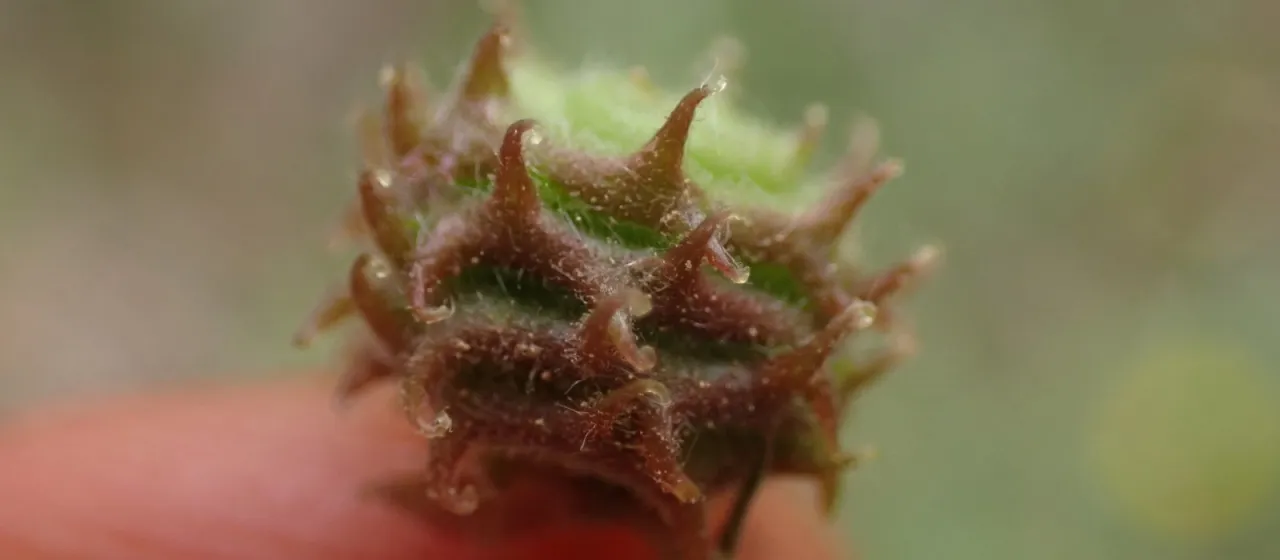
Botanically, Medicago rigidula is characterized by a trailing growth habit and a deep taproot system. The leaves are trifoliate, and the plant is typically covered in fine hairs. The most distinctive feature is its coiled, prickly, or rigid pod, which protects the seeds and helps in their dispersal within the soil surface layer, facilitating natural reseeding of the pasture.
Regarding cultivation, the crop requires well-drained, alkaline to neutral soils. It is highly resilient to cold winters and thrives in areas with limited rainfall. Standard agronomic practices include minimal soil tillage and precise timing of seeding, usually performed in late autumn or early winter, to capitalize on the start of the rainy season.
- Excellent nutritional profile for ruminants.
- Strong drought tolerance and climate resilience.
- Self-reseeding potential in naturalized pastures.
- Biological nitrogen fixation capabilities.
The primary economic use of rigid medic is as a high-protein forage source for grazing livestock, particularly in sheep and goat production. When managing this crop, farmers must be vigilant against common pathogens such as powdery mildew and root rot. Pest control is essential, focusing on protecting the vegetative mass from insects like aphids and weevils that can significantly reduce biomass yield.