
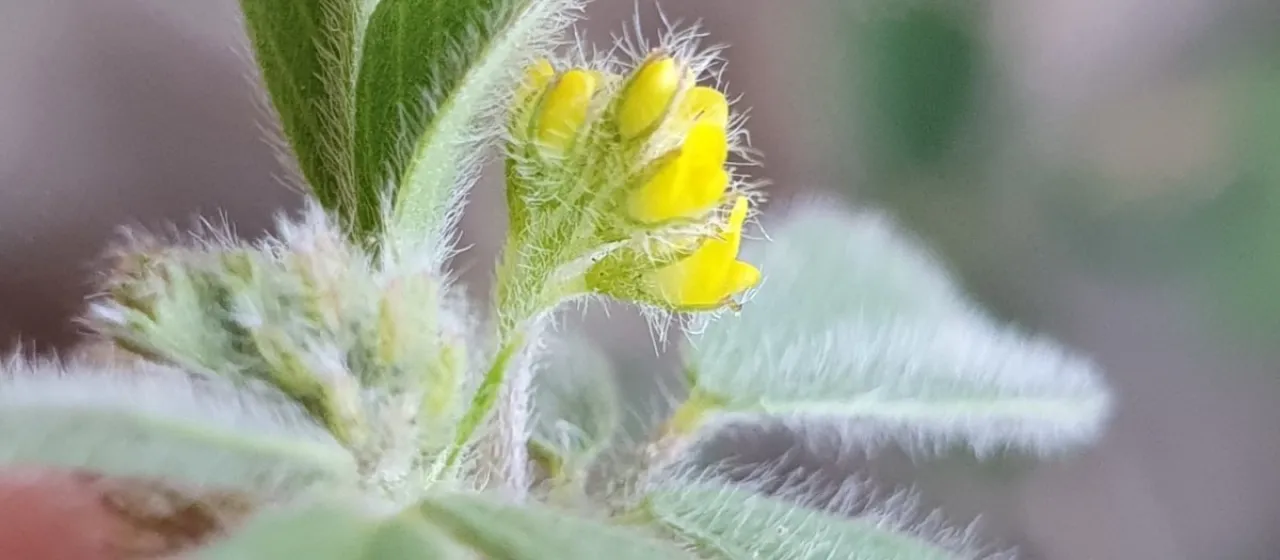
Description
Medicago secundiflora is a perennial herbaceous plant belonging to the Fabaceae family. As a distinct member of the Medicago genus, this species is recognized for its unique ecological adaptability, making it a valuable subject for agricultural research and development in regions where conventional crops struggle to thrive. Its primary importance lies in its role as a high-quality forage plant for sustainable livestock production systems.
The native distribution of this species is primarily concentrated in the Mediterranean basin and other arid or semi-arid environments. It has evolved to thrive in harsh, nutrient-poor, or rocky soil conditions where water availability is a limiting factor. This natural adaptation makes it highly resilient and capable of maintaining productivity in environments characterized by high seasonal temperature variations and low precipitation.
Botanically, Medicago secundiflora is characterized by its distinct inflorescence structure, where flowers are often arranged in a secondary, or one-sided, pattern. The plant features trifoliate leaves and a robust, deep-reaching root system, which is a hallmark of many xerophytic legumes. This root architecture is crucial for accessing water from deeper soil profiles and anchoring the plant against wind erosion in exposed terrains.
Cultivation requirements for this species include well-drained, porous soils with a neutral to alkaline pH level. It shows poor tolerance to waterlogging, making proper field drainage essential for maintaining stand health. Standard agronomic practices emphasize moderate fertilization, particularly with phosphorus to encourage root growth, and careful management of plant density to ensure adequate light penetration and air circulation.
In terms of agricultural utility, the crop is utilized for grazing, hay production, and as a soil-improving agent through atmospheric nitrogen fixation. Key benefits include:
- superior nutritional value in terms of protein and fiber;
- excellent regrowth potential after harvesting or grazing;
- positive environmental impact through soil fertility enhancement;
- high palatability for various livestock classes.
Common phytosanitary concerns include fungal pathogens such as powdery mildew, which can proliferate under high humidity, and various insect pests such as the alfalfa weevil (Hypera postica). Integrated pest management (IPM) strategies, including crop rotation, biological control agents, and timely cutting to disrupt pest life cycles, are essential to maintain high-yielding stands and ensure the longevity of the forage crop.