Megacodon stylophorus
Megacodon stylophorus
Description
Megacodon stylophorus is a rare perennial herbaceous plant belonging to the Gentianaceae family. It is a scientifically significant species known for its unique floral morphology and restricted ecological niche, making it an interesting subject for botanists studying alpine biodiversity and the evolutionary traits of high-altitude vegetation.
The plant is native to the high-altitude regions of the Himalayas and parts of Southwestern China. It primarily inhabits shaded slopes, moist meadows, and subalpine forest edges. These habitats provide the specific microclimate necessary for the plant, characterized by high atmospheric humidity and relatively cool temperatures throughout the growing season.
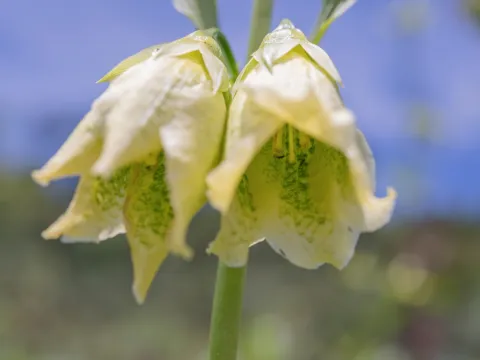
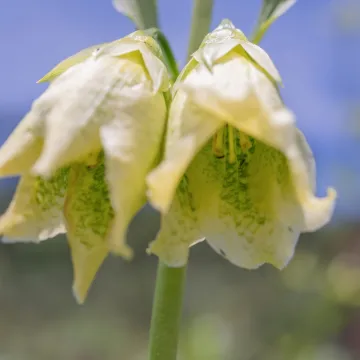
Botanically, Megacodon stylophorus is distinguished by its large, opposite leaves and prominent bell-shaped flowers with a distinct elongated style. Its root system is adapted to thrive in deep, well-drained, acidic forest soils rich in organic matter. These conditions are essential for the plant to maintain its structural integrity and support its reproductive cycles in extreme environments.
Cultivation of this species requires precise environmental control, as it is highly sensitive to temperature fluctuations and soil waterlogging. In an agricultural or horticultural setting, success depends on mimicking its natural mountain habitat: providing adequate shade, ensuring consistent moisture without saturation, and maintaining a cool, stable root zone to prevent physiological stress.
Currently, the use of this species is largely limited to specialized botanical research and conservation efforts. There is ongoing interest in the phytochemical properties of the Gentianaceae family, suggesting that Megacodon stylophorus may hold future potential in the development of botanical compounds for pharmaceutical use, provided that sustainable propagation methods can be established.
- Requires high soil organic content.
- Highly sensitive to extreme heat and dry air.
- Prone to fungal pathogens if drainage is insufficient.
- Propagation is challenging and requires specific stratification protocols.
Photo gallery