
Description
Brazilian Red Cloak (Megaskepasma erythrochlamys) is a robust and visually striking evergreen shrub belonging to the Acanthaceae family. It is widely recognized by horticulturists for its large, plume-like inflorescences that provide a vibrant splash of color, often serving as a focal point in tropical landscape architecture.
Native to Venezuela and other parts of Central and South America, this plant thrives in warm, humid forest environments. Its geographical distribution is restricted to frost-free regions, as the plant lacks cold hardiness. In commercial gardening, it is cultivated primarily for its ornamental value in climate-controlled greenhouses or tropical outdoor gardens.
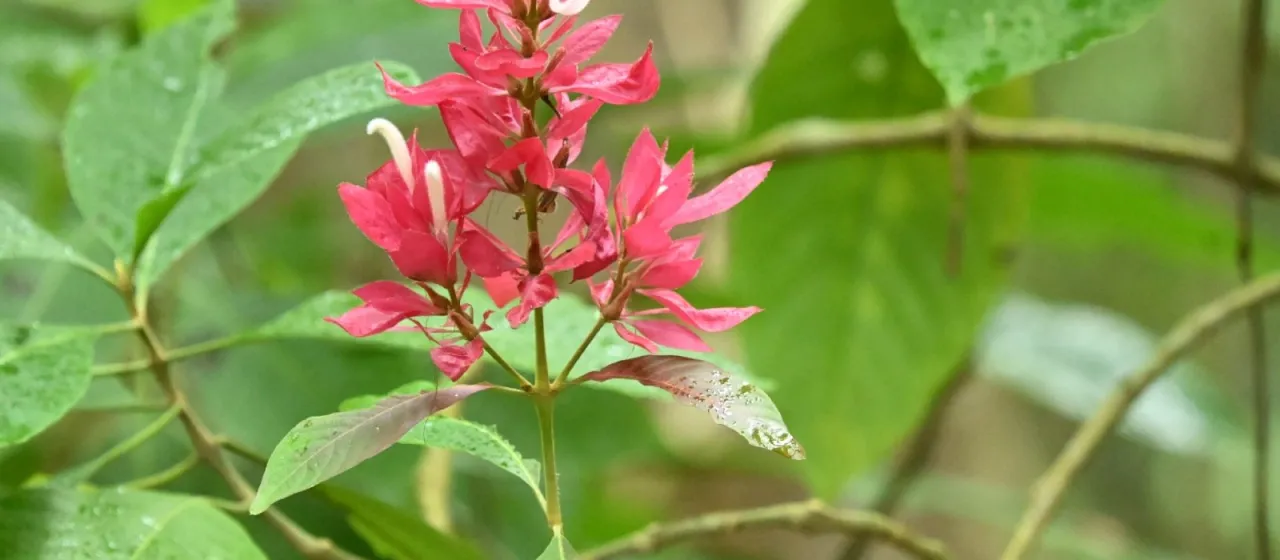
Botanically, the plant is characterized by its large, opposite leaves and woody stems. The most defining feature is the colorful, bract-based inflorescence. The actual flowers are small and white, but the surrounding red bracts are what give the plant its common name and significant visual appeal, persisting for several weeks during the blooming cycle.
Successful cultivation requires a location with bright, filtered sunlight and consistently moist, well-draining soil rich in nutrients. The species is sensitive to waterlogged conditions, which can cause root decay, and requires balanced fertilization during the growing season to support its vigorous vegetative growth and high-quality floral display.
In terms of agricultural and landscape usage, it is employed as an ornamental feature, often planted in groups to create natural borders or privacy screens. Typical pests affecting this crop include whiteflies, aphids, and spider mites. Effective management involves maintaining high air humidity, regular pruning to encourage branching, and timely application of integrated pest management strategies.