
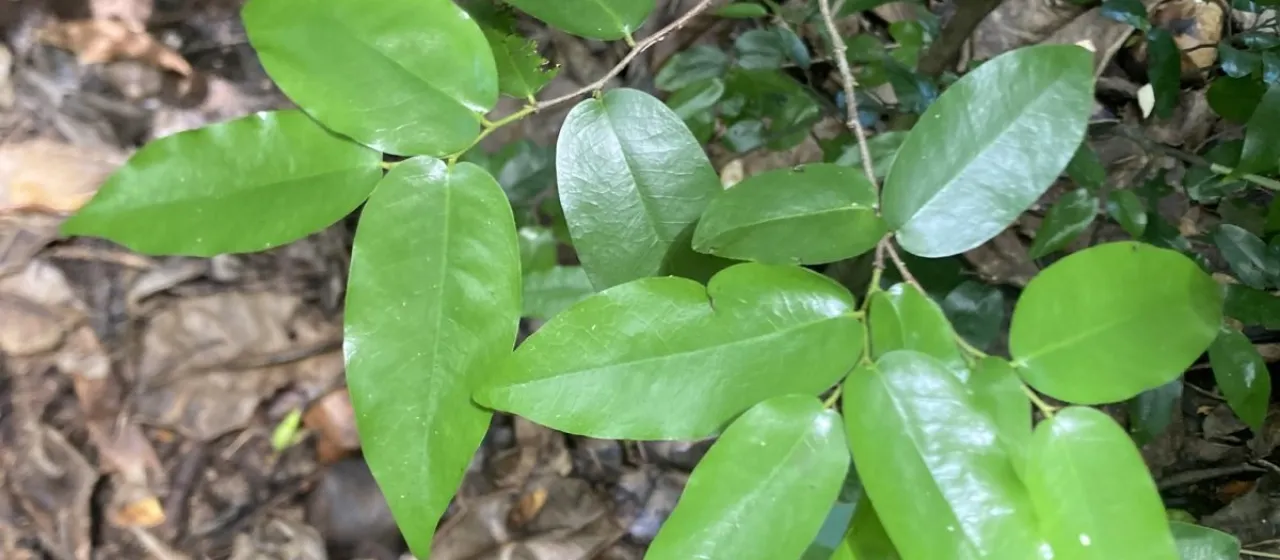
Description
Meiogyne cylindrocarpa is a tropical woody plant belonging to the Annonaceae family. While this family is globally recognized for species like soursop or cherimoya, Meiogyne cylindrocarpa remains a specialized species primarily found in tropical rainforest understories, rather than mainstream agricultural production.
The plant originates from the tropical regions of Southeast Asia and Australia. It thrives in humid, frost-free environments where temperature fluctuations are minimal. Within its natural habitat, it serves as a critical component of the forest structure, typically occupying niches in the sub-canopy layer where filtered sunlight provides optimal growing conditions.
Botanically, this species is noted for its evergreen foliage and its distinctively shaped, cylindrical fruits. The leaves are typically leathery and entire, characteristic of many Annonaceae species. The flowers are generally small and require specific insect pollinators found within their native ecosystems to successfully set fruit, which is a key trait of this plant's reproductive biology.
Cultivation requirements for this species are demanding, focusing on maintaining high humidity and consistent soil moisture. It requires well-draining, nutrient-rich soil that mimics the forest floor's organic composition. Proper irrigation is vital, as the plant is susceptible to root rot if the substrate remains waterlogged for extended periods.
Economic and agricultural utility is currently limited to ornamental and botanical research purposes. It is often kept in specialized collections and conservatory gardens. Common challenges for growers include managing pests such as mealybugs or scale insects, and preventing fungal infections that can arise from inadequate airflow or poor drainage in controlled greenhouse settings.