
Description
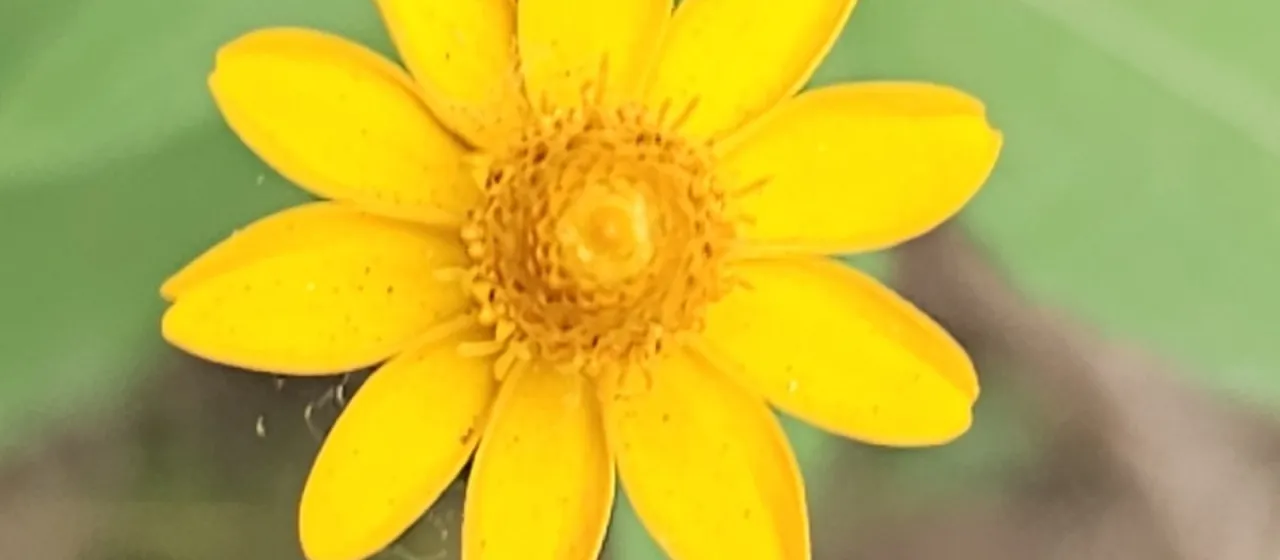
Melampodium divaricatum, commonly known as the butter daisy, is an annual herbaceous plant belonging to the Asteraceae family. It is highly valued in horticulture for its exceptional heat tolerance, rapid growth rate, and profuse, golden-yellow flowering, which creates a vibrant visual impact in garden borders and landscape beds throughout the entire growing season.
Originating from Central and South America, this species has successfully naturalized in various regions globally. It thrives in warm climates and requires full sunlight to achieve optimal performance. Its ability to tolerate high temperatures makes it an ideal candidate for summer gardening in regions where other flowers might struggle or wilt under intense sun exposure.
Botanically, the plant presents as a dense, mounding shrub typically reaching 40-60 centimeters in height. Its structure is naturally branched, eliminating the need for excessive pruning or pinching. The foliage is lush and bright green, providing a perfect backdrop for the small, daisy-like flower heads that bloom continuously from early summer until the first frost.
Cultivation requirements for Melampodium divaricatum are relatively straightforward. The plant prefers well-drained, fertile soil but is quite adaptable to various soil types. While it possesses moderate drought tolerance, it performs best when provided with consistent moisture. Minimal fertilization during the peak growing season is usually sufficient to maintain its continuous flowering cycle.
In terms of practical use, it is widely utilized for mass planting, border edging, and container gardening. It is generally resistant to many common plant diseases, although excessive moisture or poor airflow can occasionally lead to fungal issues. Common garden pests like aphids or spider mites can be managed with standard insecticidal practices, ensuring the plant remains healthy and vigorous.