
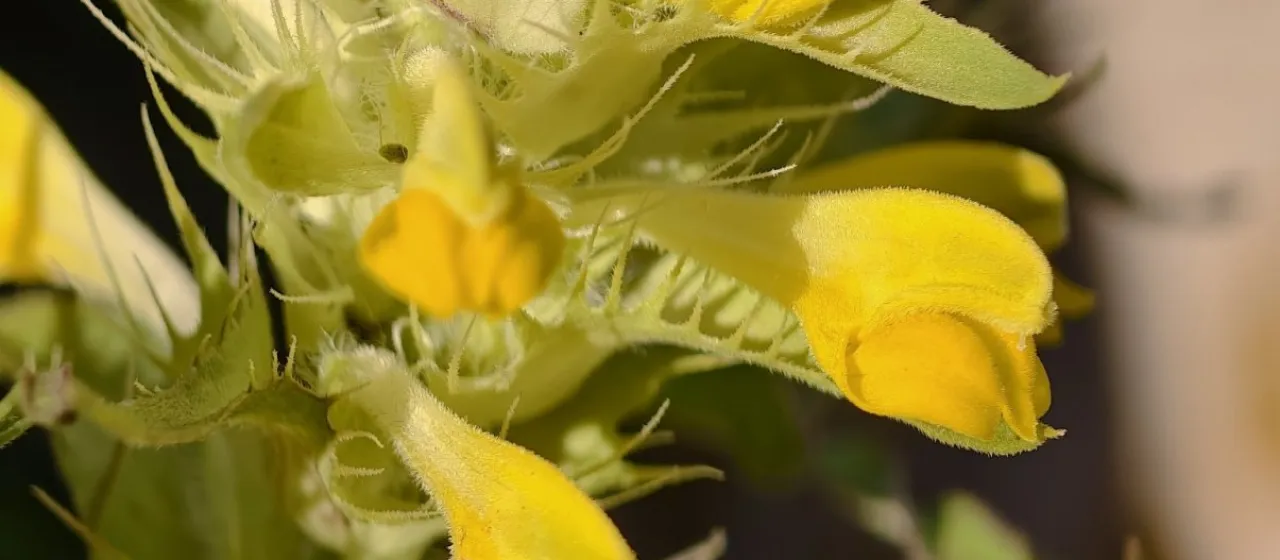
Description
Crested cow-wheat (Melampyrum barbatum) is an annual herbaceous plant belonging to the Orobanchaceae family. It is classified as a hemiparasite, meaning it can perform photosynthesis but relies on host plants for water and minerals by attaching to their roots through specialized organs known as haustoria.
The native distribution area of this species encompasses parts of Southern and Eastern Europe. In an agricultural context, it is typically found in meadows, pastures, and along the margins of arable fields. It is not a cultivated crop but rather a wild species that occasionally infiltrates agricultural systems, potentially impacting crop yields if not properly managed.
Botanically, the plant grows to a height of 15 to 40 centimeters. It is characterized by its lanceolate leaves and, most notably, its distinct bracts which possess long, tooth-like appendages that give it a "bearded" appearance. The flowers are typically yellow and bloom in the summer months, arranged in a spike-like inflorescence that is easily identifiable in the field.
Regarding cultivation requirements and management, the plant thrives in well-lit areas with moderate moisture. It is generally sensitive to highly disturbed or heavily compacted soils. Effective control measures in agricultural settings involve:
- Rigorous cleaning of crop seeds to remove weed contaminants.
- Implementation of crop rotation patterns.
- Mechanical weeding before the flowering stage to prevent seed dispersal.
In terms of economic utility, Crested cow-wheat is considered a weed and has no established commercial use in modern agriculture. Its presence is generally detrimental to host crops as it competes for vital resources. While it is rarely the primary focus of pest management programs, identifying the plant early is essential for maintaining crop health and preventing the infestation of fields where it can act as a persistent annual invader.