
Description
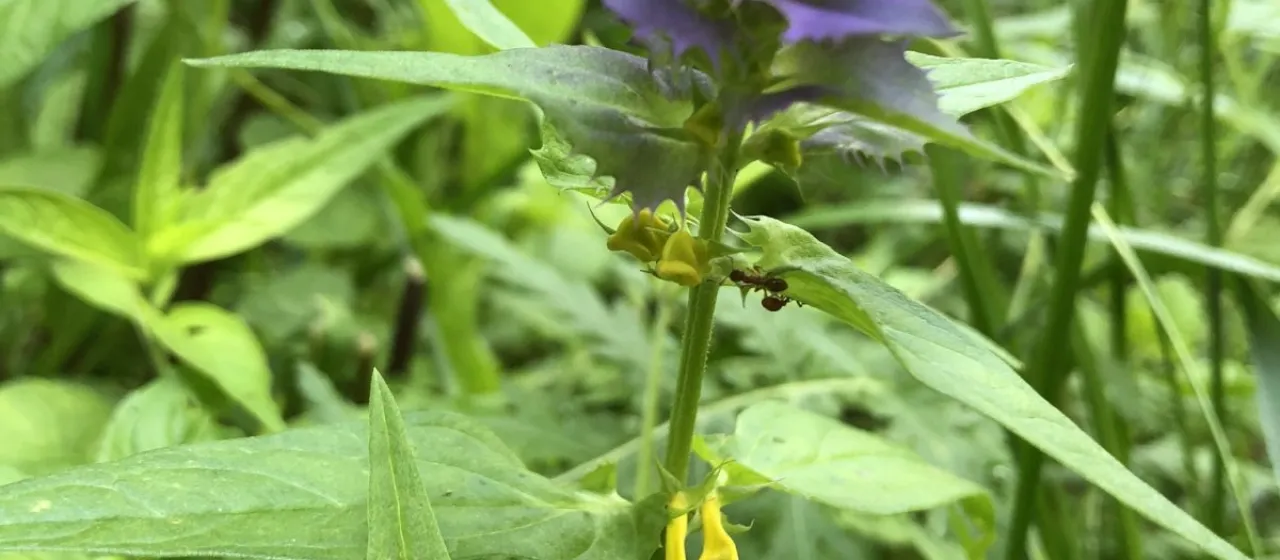
Biharian cow-wheat (Melampyrum bihariense) is an annual herbaceous plant belonging to the Orobanchaceae family. It is primarily distributed in the southeastern regions of Europe, where it thrives in natural meadow ecosystems and along forest margins, representing a specific type of regional flora.
This species is classified as a facultative hemiparasite. While it contains chlorophyll and performs photosynthesis, it relies on haustoria to extract water and nutrients from the roots of host plants. This survival strategy allows it to occupy niche environments where competition for light and soil moisture is significant.
Botanically, the plant features an erect stem with opposite, lanceolate leaves. Its inflorescences are arranged in spikes, often protected by colorful bracts that assist in attracting pollinators. Following the flowering phase, it produces small seed capsules, which are essential for its continued propagation in its native habitats.
Regarding agricultural use, Melampyrum bihariense is not considered a crop. In agricultural practice, it is typically treated as a wild plant or a weed that may appear in pastures or hay meadows. Its presence indicates specific soil health conditions and a relatively undisturbed habitat, as these plants are often sensitive to excessive synthetic fertilization or intensive soil tillage.
The plant does not require specific human-managed cultivation techniques. In terms of maintenance or control, standard agricultural practices such as crop rotation and the early cutting of hay prevent excessive spread of its seeds. It remains a subject of botanical interest rather than an object of intensive agricultural exploitation.