
Description
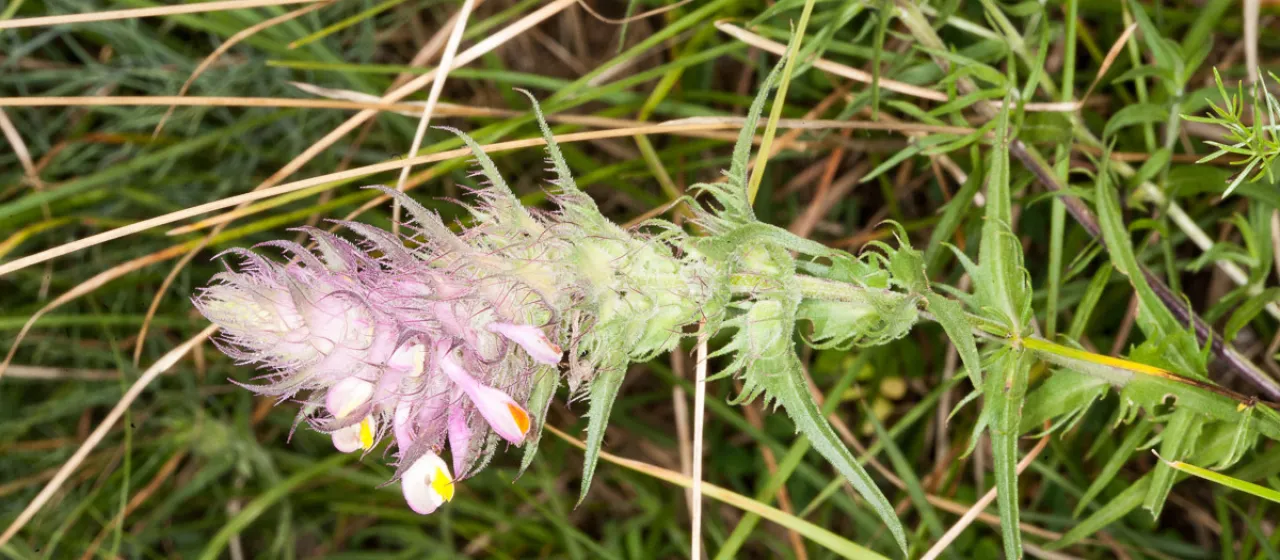
Fringed cow-wheat (lat. Melampyrum fimbriatum) is an herbaceous plant belonging to the Orobanchaceae family. This species is classified as a facultative hemiparasite, meaning it can survive independently through photosynthesis, yet it significantly thrives by utilizing its root system to extract water and nutrients from host plants. Its unique evolutionary path has allowed it to occupy specific ecological niches in mountain environments.
The native range of this species is primarily focused on the Caucasus region. It inhabits montane meadows, forest edges, and clearings where moisture levels remain relatively stable throughout the growing season. The plant demonstrates high sensitivity to soil composition and tends to avoid overly compacted or arid grounds, preferring soils rich in organic matter that support its host interactions.
Botanically, Melampyrum fimbriatum is identified by its upright stem, opposite leaves, and distinctive bright yellow flowers arranged in spiked inflorescences. The "fringed" part of its name originates from the ciliate margins of its bracts. These specialized features are designed not only for reproductive success but also to facilitate interaction with specific local pollinators, which are vital for the survival of the population.
In terms of agricultural significance, this plant is generally not cultivated as a crop. In some cases, it may be viewed as a competitor in hayfields or pastures. Because it attaches to the roots of other plants via haustoria, a dense population of Melampyrum fimbriatum can potentially reduce the yield of desirable grasses or legumes. Therefore, it is often managed as a wild weed if it encroaches upon intensive agricultural lands.
Management and preservation strategies for this species involve understanding its reliance on local vegetation. Since the plant is naturally adapted to specific high-altitude ecosystems, its population size is directly linked to the health of those habitats. Farmers aiming to reduce its presence typically focus on mowing schedules, while conservationists highlight its role as a pollen source for wild bees, emphasizing the need for balanced land management.