
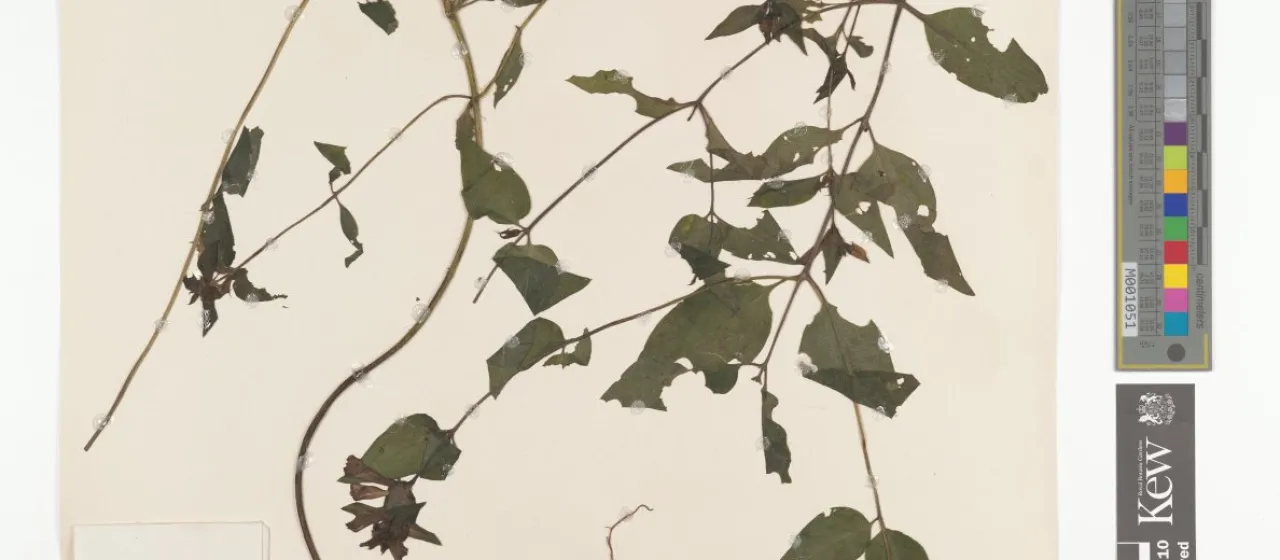
Description
Melampyrum hoermannianum is an herbaceous annual plant belonging to the Orobanchaceae family. Historically, this genus was categorized under Scrophulariaceae, but modern taxonomy confirms its place within the broomrape family. It is a specialized plant known for its hemiparasitic lifestyle, which allows it to thrive in specific competitive environments.
The species is native to the Balkan Peninsula, where it is found in specific mountain and forest habitats. It is not an agricultural crop and does not hold any economic value for farming or industrial production. Its existence is primarily linked to undisturbed natural ecosystems where it can interact with its host plants.
Botanically, it features an erect stem, opposite leaves, and distinctive zygomorphic flowers arranged in spikes. The most remarkable feature is its ability to develop haustoria, which are specialized underground organs that tap into the roots of surrounding vegetation to obtain essential nutrients and water, while still retaining the ability to photosynthesize.
The environmental requirements for Melampyrum hoermannianum are quite rigid, as it depends on well-drained, nutrient-moderate soils within forest edges or meadows. There is no standard agricultural practice for this species, as it is not cultivated. Germination is often complex and frequently requires chemical or physical signaling from a host plant species.
Due to its lack of agricultural use, there are no documented pests or diseases that impact its viability in a farming context. Potential threats to this species include habitat degradation, deforestation, and changing land use in its native Balkan regions. Conservation of the species depends on protecting the natural plant communities it occupies in the wild.