
Description
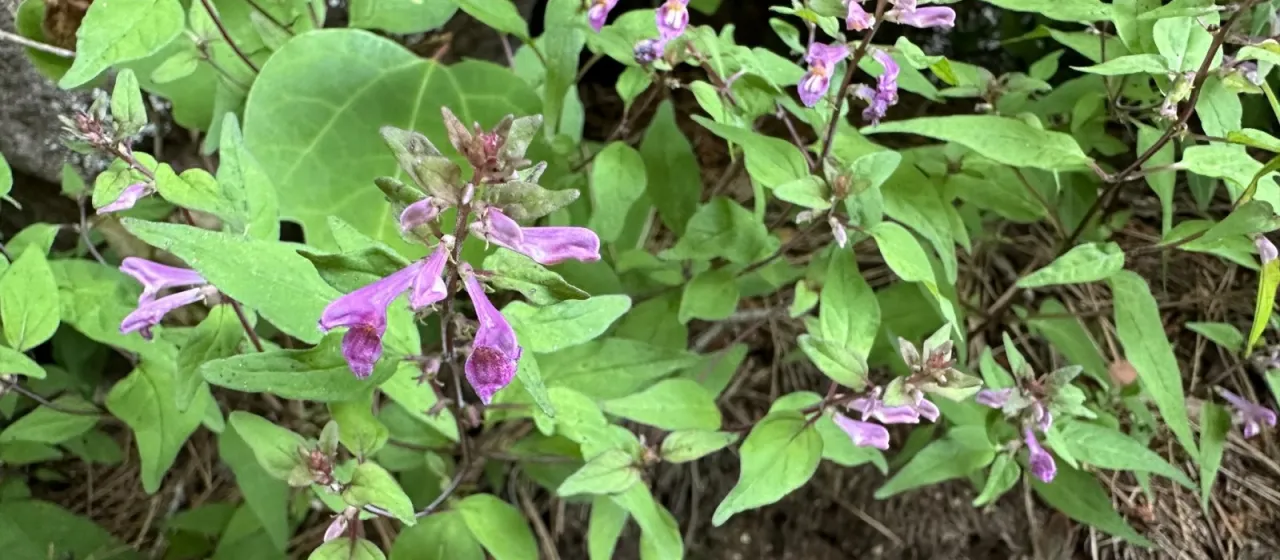
Loose cow-wheat (Melampyrum laxum) is an annual herbaceous plant belonging to the Orobanchaceae family. It is a hemiparasite, meaning it produces its own energy through photosynthesis but also derives water and essential nutrients from the roots of neighboring plants. This unique biological strategy allows it to thrive in nutrient-poor environments where competition is high.
The plant is native to temperate regions of Eurasia. Its natural habitat includes mixed forests, forest edges, and damp meadows. It prefers moist, well-drained soils that are rich in organic matter. Unlike full parasites, it has green leaves, which confirms its ability to perform photosynthesis independently for survival.
Botanically, the species is defined by its erect stems and loose, yellow flower spikes. The plant blooms mid-summer, attracting various pollinators. The seeds have specialized structures known as elaiosomes, which entice ants to collect and disperse them, a mechanism that helps the plant colonize new patches of ground effectively.
Agricultural management of this plant is generally focused on suppression rather than cultivation. Because it taps into the root systems of grasses, it can be considered a weed in hayfields and pastures. Effective management involves mowing the meadows before the seeds set, which breaks the reproductive cycle and prevents the population from expanding into forage crop areas.
While not a major commercial crop, loose cow-wheat serves an important ecological role as a food source for insects and small mammals. It contributes to the complexity of meadow ecosystems. However, farmers should be aware of its potential impact on yield reduction in dense pasture systems, requiring careful monitoring in sensitive regions.
- Family: Orobanchaceae
- Life cycle: Annual
- Feeding type: Hemiparasitic
- Native range: Eurasia
- Control method: Pre-seeding mowing