
Description
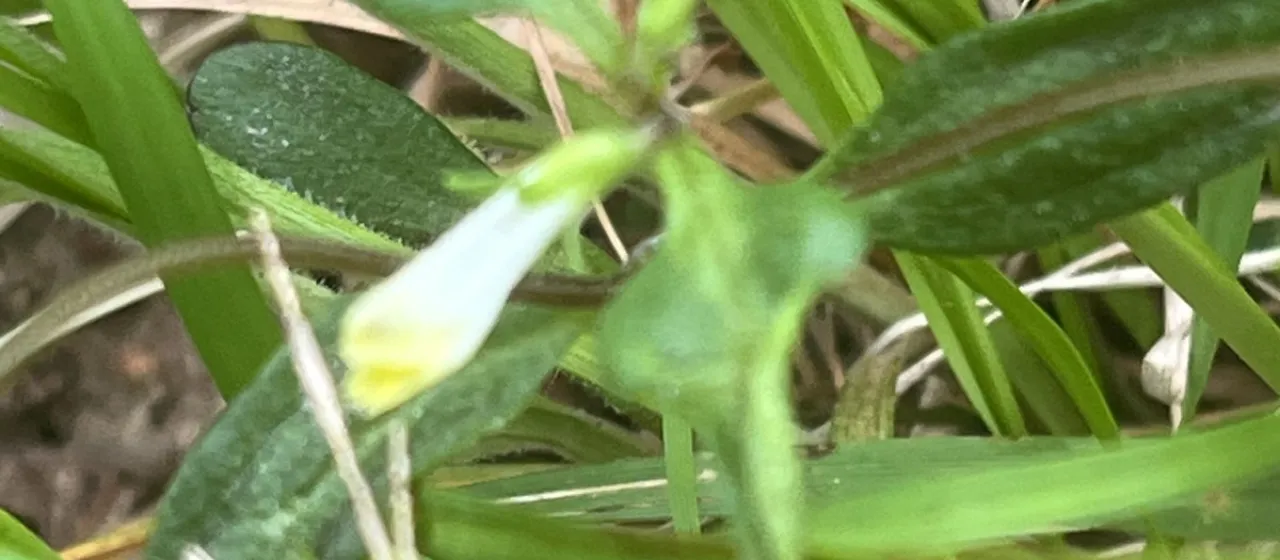
Melampyrum lineare, commonly known as the narrow-leaf cow-wheat, is an annual herbaceous plant belonging to the family Orobanchaceae. It is classified as a hemiparasite, meaning it derives essential nutrients and water from the roots of host plants while retaining the ability to photosynthesize via its green leaves.
The native range of this species is primarily within North America. It is typically found in diverse habitats, including coniferous forests, heathlands, and sandy clearings. The plant thrives in temperate climates, requiring specific micro-environmental conditions to support its somewhat complex life cycle and attachment process.
Botanically, it features slender, branching stems with linear or lanceolate leaves that grow in opposite pairs. The flowers are generally small, often pale yellow or whitish, and arranged in terminal clusters. The root system is specialized, forming haustoria to bridge the connection with the vascular systems of host plants.
Soil requirements for Melampyrum lineare typically involve well-drained, acidic conditions. Because of its hemiparasitic strategy, its successful establishment is highly dependent on the presence of appropriate neighboring vegetation that can serve as a suitable host during the germination and early growth phases.
In terms of agricultural impact, this plant is generally considered a wild species rather than a crop. It can sometimes affect the quality of forage if it becomes too dense in pastures, as it contains compounds that may be unpalatable. Common threats include various fungal pathogens that target foliage during humid seasons.