
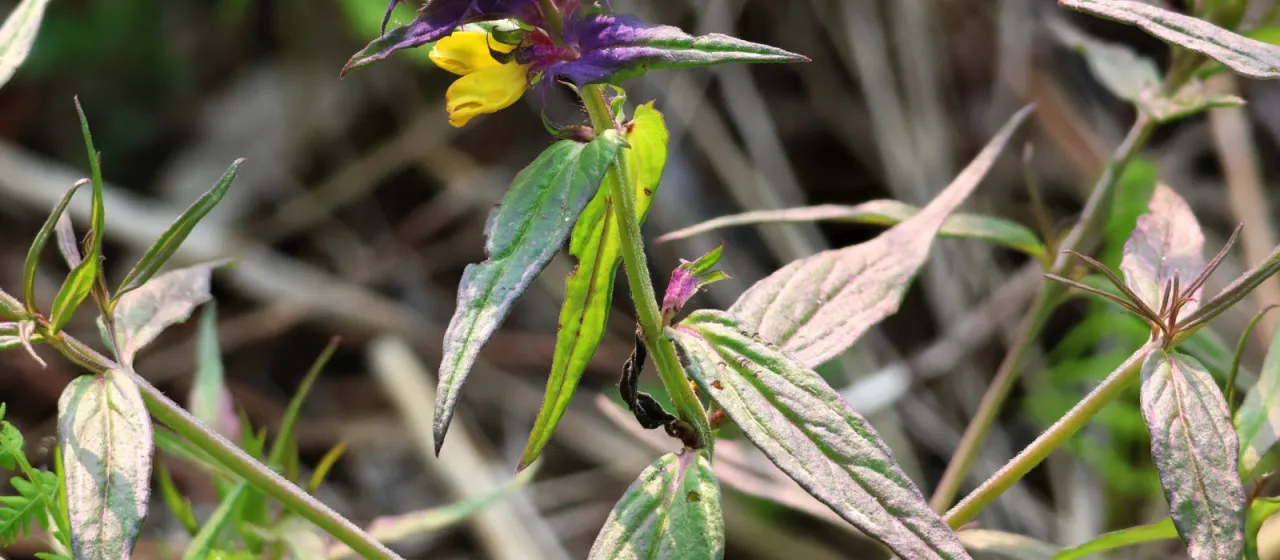
Description
Polish cow-wheat (Melampyrum polonicum) is an annual herbaceous plant belonging to the Orobanchaceae family. As a hemiparasite, it possesses green leaves capable of photosynthesis, but it also extracts water and essential nutrients from the root systems of host plants using specialized organs called haustoria. This evolutionary strategy allows it to thrive in nutrient-poor environments.
The geographic range of this species is primarily concentrated in Central and Eastern Europe. It typically inhabits semi-shaded to sunny areas, such as forest edges, open woodlands, and dry grasslands. It is well-adapted to the temperate climate zone, demonstrating resilience to seasonal changes in temperature and precipitation levels common in its native range.
Botanically, it is characterized by its slender, erect stems and opposite leaves. The flowers are arranged in spikes, often protected by colorful, leaf-like bracts. Seed dispersal is a fascinating biological process involving myrmecochory, where ants collect seeds attracted by lipid-rich structures (elaiosomes), effectively spreading the plant throughout its habitat.
Environmental requirements for Polish cow-wheat include well-drained soils and an adequate density of host plants, such as various grasses or shrubs, to support its parasitic cycle. In terms of agricultural management, it is generally considered an undesirable species if it invades cultivated meadows, as it can reduce the biomass of more beneficial forage species through resource competition.
There is no widespread industrial cultivation of this plant. Its management focuses on limiting its presence in valuable pastures to prevent the suppression of target crops. Typical pathogens affecting the plant include various fungal rusts and mildews, which can thrive in humid, non-ventilated conditions. The plant's ecological contribution is primarily found in its support of local insect populations during the flowering period.