
Description
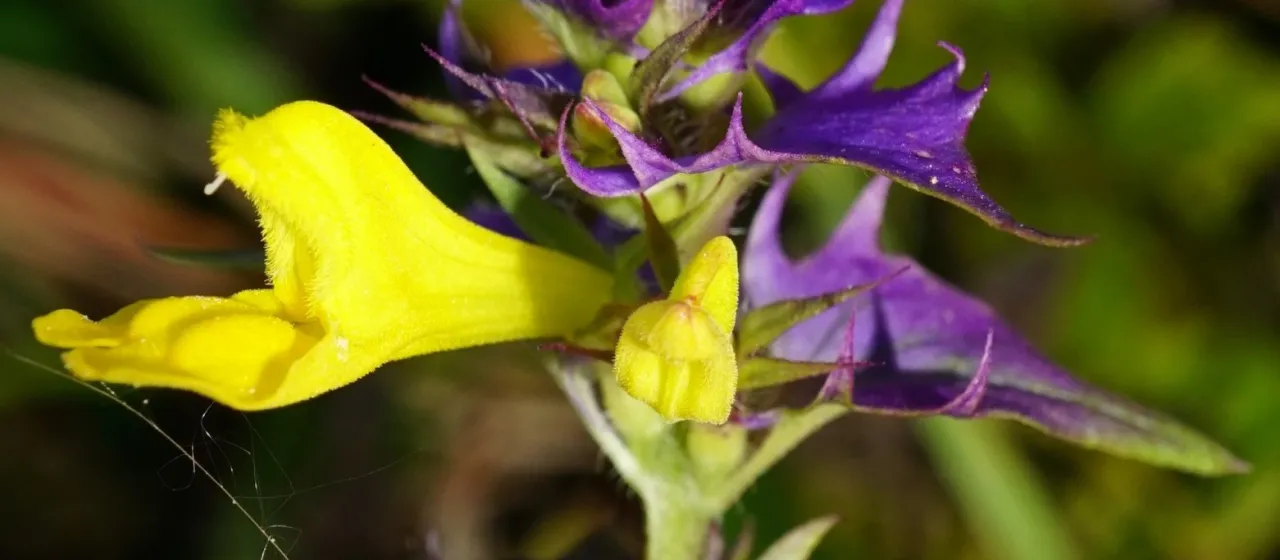
Subalpine cow-wheat (Melampyrum subalpinum) is an herbaceous annual plant belonging to the Orobanchaceae family. Unlike fully parasitic species, this plant is a hemiparasite, meaning it can perform photosynthesis on its own, but it relies on haustoria to extract nutrients and moisture from the root systems of host plants, which is a key biological strategy for survival in harsh mountain environments.
The plant is native to the subalpine belts of European mountains. Its distribution is primarily limited to high-altitude meadows and woodland clearings where the climate is characterized by low temperatures and high precipitation. It is not an intentionally cultivated agricultural crop, but rather an indigenous species that naturally integrates into alpine ecosystems and permanent pastures.
Botanically, the plant features an upright stem, lanceolate leaves, and attractive, colorful bracts that protect the flowers. Its growth cycle is strictly adapted to the short mountain growing season. The plant reproduces via seeds, which require specific environmental cues to germinate, ensuring that the offspring emerge in a favorable microhabitat near potential host species.
From an agronomical standpoint, Melampyrum subalpinum is often treated as a problematic weed in high-altitude hayfields. Because it leaches nutrients from useful grasses, it can reduce the overall yield of high-quality forage. Management practices usually focus on preventing the plant from setting seeds and maintaining soil fertility, which suppresses the competitiveness of this hemiparasitic species.
Economic use of the plant is negligible, and it is largely considered a potential toxin in forage. It contains compounds such as aucubin, which can be harmful to livestock if consumed in large quantities. The following factors influence its prevalence in rural areas:
- Soil acidity levels and nutrient availability.
- Intensity of grazing in mountainous terrain.
- Competition from dominant grass species.
- Presence of specific insect vectors for pollination.